You know that feeling. The car campground is packed, the neighbors are loud, and you can see the glow of their lantern from your tent. That's not why you go into the woods. Backcountry camping—hiking your gear into the wilderness, far from roads and designated sites—is the real deal. It's silence so deep you hear your own heartbeat. It's vistas you earn with every step. It's also a commitment to self-reliance that many find intimidating.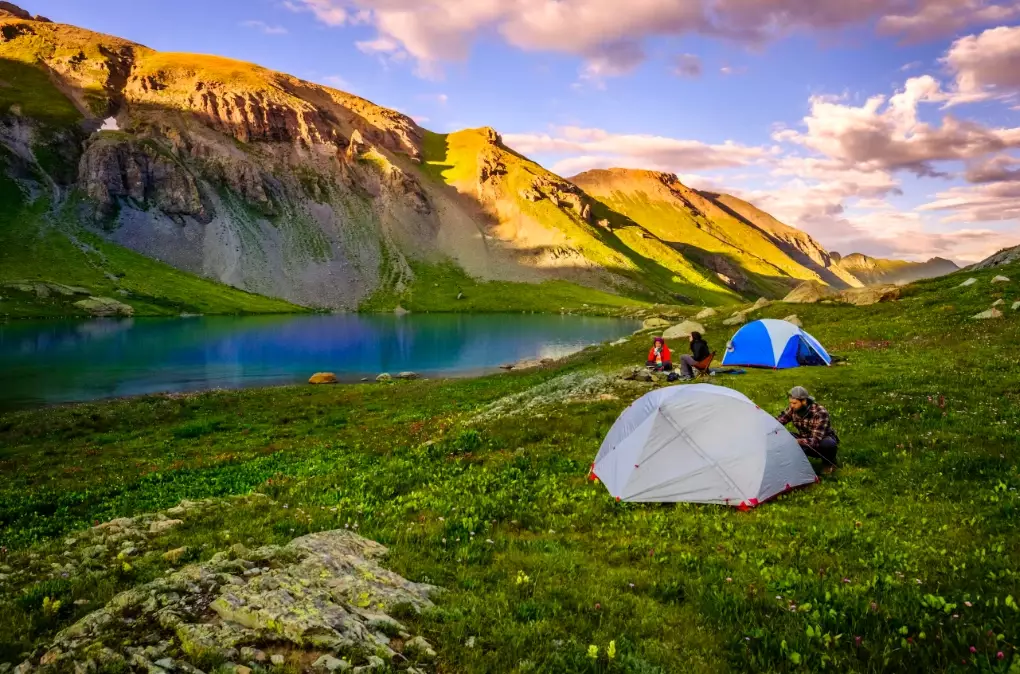
I've been doing this for over a decade, from the Rockies to the Appalachians. I've made every mistake in the book so you don't have to. This guide isn't about selling you gear; it's about giving you the confidence to plan and execute a safe, enjoyable, and low-impact trip. Let's get you out there.
What You'll Find in This Guide
Planning Your First Backcountry Trip
Jumping straight into a multi-day trek in remote Alaska is a recipe for disaster. Start small. Your goal for the first trip is success, not suffering.
Pick a Manageable Destination. Look for National Forests or Bureau of Land Management (BLM) land, which often have more flexible permitting than National Parks. A great starter trip is an overnight loop or out-and-back with less than 5 miles to the campsite. For example, many first-timers in Washington cut their teeth on a section of the Wonderland Trail around Mount Rainier, but they start with the more accessible, lower-elevation stretches.
The Permit Puzzle. This is where most plans hit a wall. Popular areas like Yosemite's High Sierra Camps or the John Muir Trail have competitive lotteries months in advance. Always, and I mean always, check the managing agency's website. For US National Parks, that's the National Park Service. For National Forests, it's the US Forest Service. Recreation.gov is the common booking platform for many. Don't show up without the required permit—rangers do check, and fines are steep.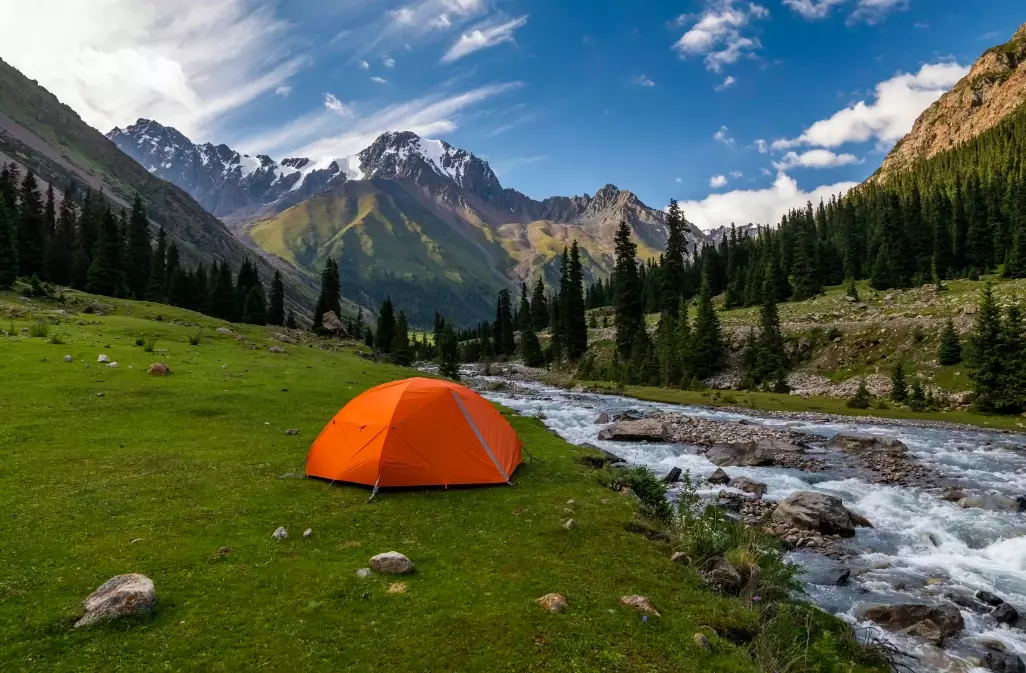
Research Like a Pro. Don't just look at the map's distance. Check the elevation profile. A 4-mile, 2,000-foot climb is a different beast than 4 miles on flat terrain. Read recent trail reports on sites like AllTrails for conditions like snow, downed trees, or water availability. Call the local ranger station. They'll tell you about current bear activity, fire restrictions, or trail closures that haven't made it online yet. This one call can save your trip.
The Non-Negotiable Gear Essentials
Forget the fancy gadgets. Backcountry camping gear is about one thing: a balance between weight, durability, and function. Every ounce counts, but never at the expense of safety or warmth. Here’s the core system you need to get right.
| Item | Key Consideration | Beginner-Friendly Pick |
|---|---|---|
| Backpack | Fit is everything. Get professionally fitted. Capacity: 50-65L for most 2-4 day trips. | Osprey Atmos AG 65 (great ventilation) or Gregory Baltoro 65 (load-hauler). |
| Shelter | Freestanding tents are easier for beginners. Check the "minimum weight" not the packed weight. | Big Agnes Copper Spur HV UL2 (light, roomy). For budget: REI Co-op Passage 2. |
| Sleep System | This is where you don't skimp. A cold, sleepless night ruins trips. Get a bag rated 10°F below your expected low. | Sleeping Bag: REI Co-op Magma 15. Sleeping Pad: Therm-a-Rest NeoAir XLite (high R-value for warmth). |
| Water Treatment | Non-negotiable for safety. Filters are fast; chemicals are light. Have a backup method. | Sawyer Squeeze Filter (reliable, affordable). Backup: Aquamira chlorine dioxide drops. |
| Cooking System | Canister stoves are simplest. Calculate fuel: about 30g of fuel per person per meal. | Jetboil Flash (boils water fast) or MSR PocketRocket 2 (lightweight). |
| Navigation | GPS apps fail. You need a physical map and compass and the skill to use them. | National Geographic Trails Illustrated map for your area, and a basic Silva compass. |
| Footwear | Boots vs. trail runners is a holy war. Prioritize support, fit, and broken-in comfort. | Start with a mid-height waterproof boot like Salomon Quest 4 or Merrell Moab. |
| Layers | Cotton kills. Use synthetic or wool base layers, an insulating mid-layer, and a waterproof shell. | Base: Smartwool Merino 150. Mid: Patagonia Nano Puff. Shell: Outdoor Research Helium II. |
| First Aid Kit | Build your own. Must-haves: blister care (moleskin, leukotape), ibuprofen, antiseptic wipes, gauze. | Start with a pre-made kit like the Adventure Medical Kits Ultralight/Watertight .5. |
| Illumination | Headlamp only. Bring extra batteries. A red light mode preserves night vision. | Black Diamond Spot 400 (reliable, good features for the price). |
The biggest gear mistake I see? People buy a cheap, heavy sleeping bag to save money, then freeze all night and hate camping. Your sleep system and footwear are the foundations of a good trip. Invest there first.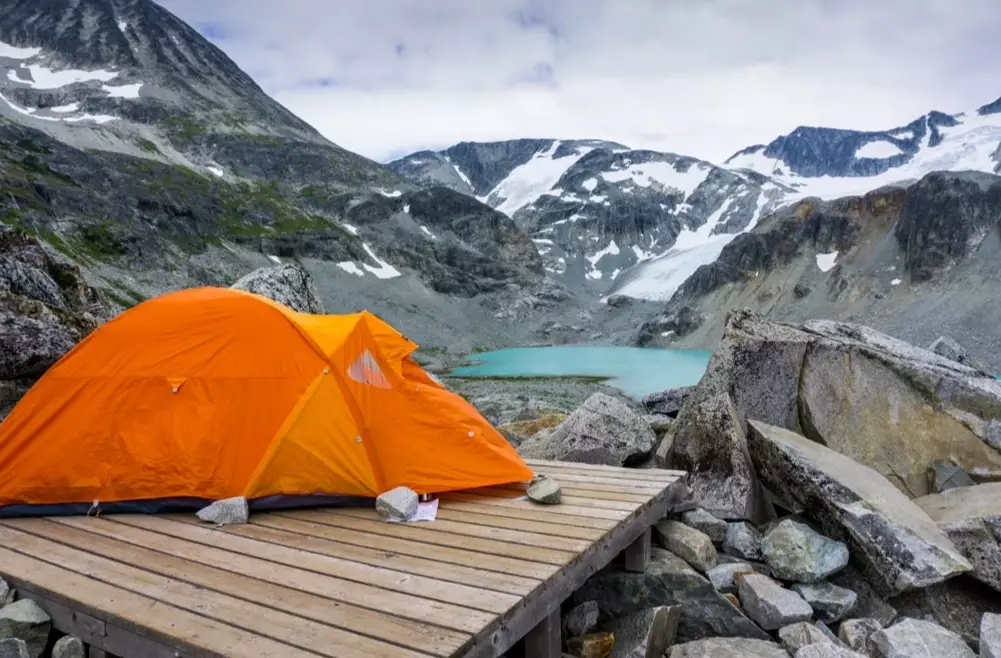
Packing your backpack has a science to it. Keep heavy items (food, bear canister, stove) close to your back and centered between your shoulder blades. The sleeping bag goes at the bottom. Rain gear and layers you might need quickly go in the top lid or outer pockets. Before you go, do a test hike around your neighborhood with the pack fully loaded. You'll quickly feel if the weight distribution is off.
Wilderness Skills & Safety You Can't Ignore
Gear is useless without the knowledge to use it. These aren't just tips; they're the skills that prevent a minor issue from becoming an emergency.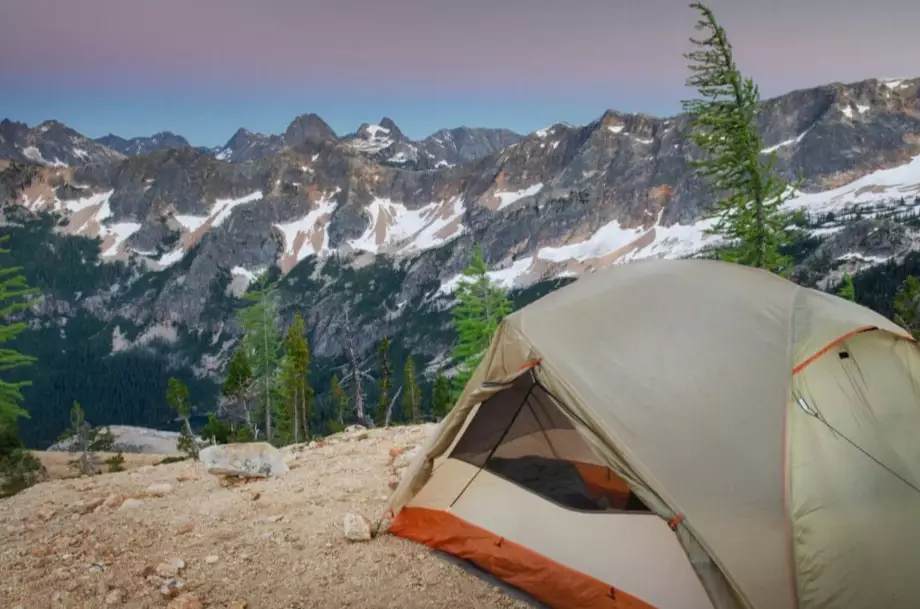
Navigation Beyond the App
Your phone will die, or the trail will be faint. I was once in the White Mountains in a sudden, thick fog. The cairns disappeared. My phone was a useless brick in the wet cold. The paper map and compass in my pocket got me back on track. Practice at a local park: identify your location on the map, take a bearing, and walk it. Understand contour lines—they tell you if you're about to hike up a cliff or a gentle slope.
Wildlife Etiquette (It's Not Just Bears)
Everyone worries about bears, but in many areas, the real nuisance is rodents getting into your food, or moose on the trail. For bears, make noise while hiking, especially near streams or in thick brush. Store all food, trash, and scented items (toothpaste, sunscreen) in a bear-resistant canister or use a proper hang. Canisters are now required in many parks because so many people do bad hangs that teach bears to associate people with food.
If you see a bear, don't run. Speak calmly, back away slowly. For moose, give them a wide berth—they're more unpredictable than bears. Hang your food even in non-bear country to protect it from mice and raccoons.
Fire and Water
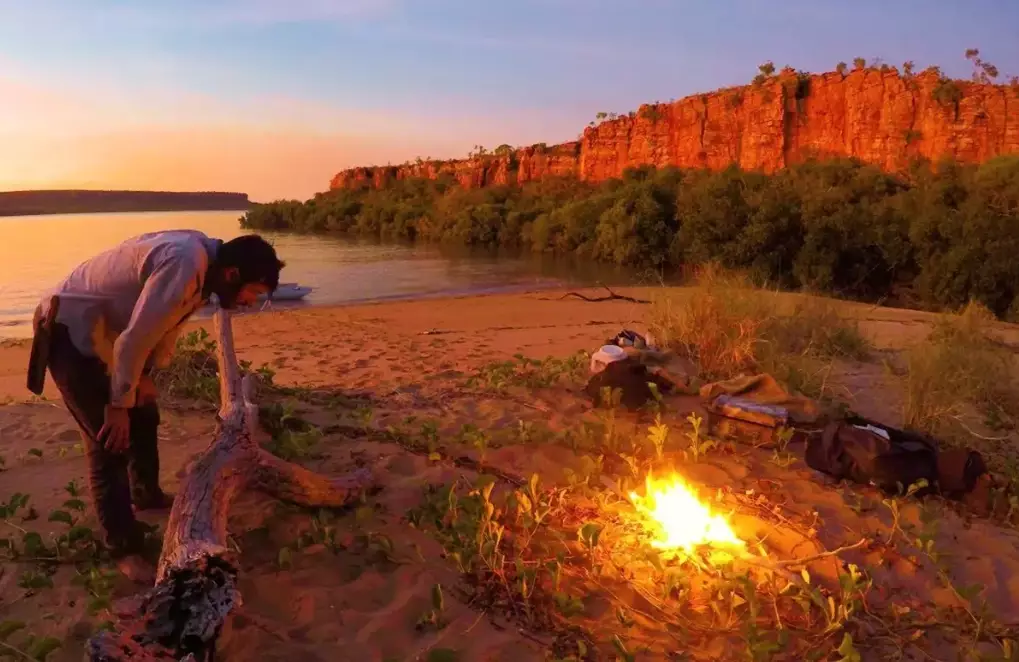
Always, always check fire restrictions. In the dry West, bans are common for most of the summer. If fires are allowed, use an existing fire ring, keep it small, and burn only small, dead wood you can break by hand. Drown it until it's cold to the touch. Better yet, skip the fire and enjoy the stars.
For water, never assume a source on the map will be flowing. In late summer, many streams dry up. Plan your campsites near reliable water, but remember the 200-foot camping rule. Treat all water, no matter how clear and alpine it looks. Giardia doesn't care about the view.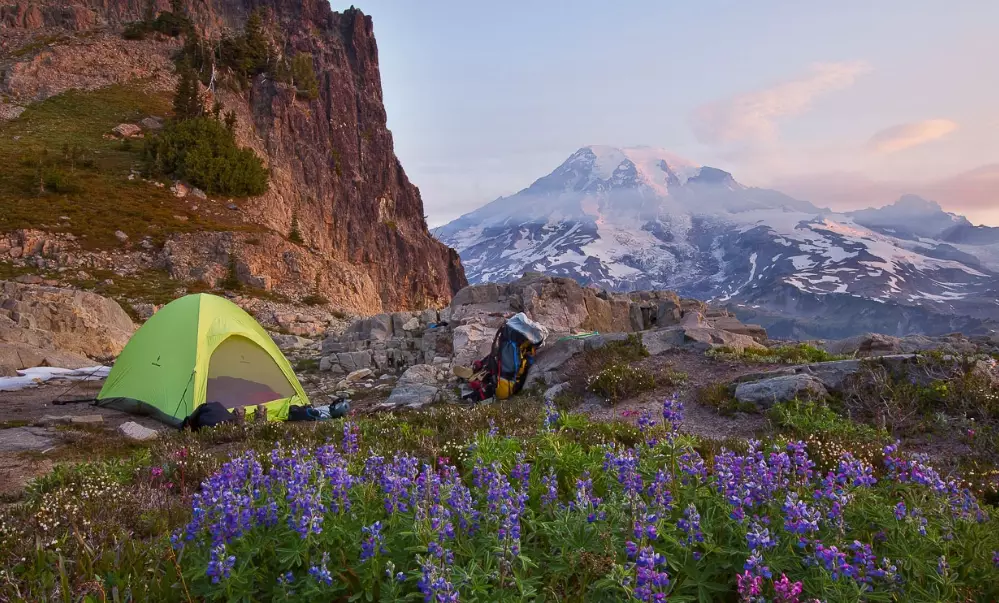
Leave No Trace: More Than a Slogan
This is the ethics of backcountry camping. It's what keeps these places wild for the next person.
Camp on Durable Surfaces. Rock, gravel, dry grass, or established tent pads. Never trench around your tent or cut vegetation. If there's no established site, look for a spot that shows no signs of previous use—we want to concentrate impact, not spread it.
Pack It In, Pack It Out. Everything. Every wrapper, every bit of toilet paper (use a dedicated zip-lock bag), every orange peel. They don't decompose quickly. If you packed it full, pack it out empty.
Human Waste. Dig a cathole 6-8 inches deep, at least 200 feet from water, camp, and trails. Cover it completely. Pack out your toilet paper. It's the new standard, and it prevents ugly "TP flowers" from blooming in the bushes.
It sounds like a lot of rules, but it becomes second nature. The reward is walking into a pristine meadow that looks untouched, because you and others took the care to keep it that way.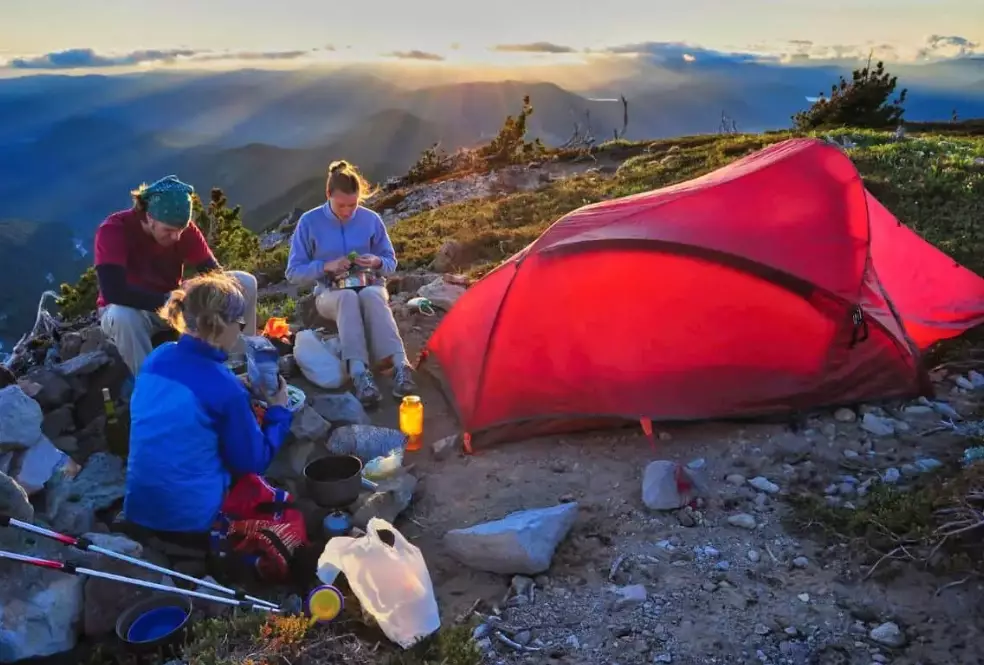
Your Backcountry Camping Questions Answered
How do I handle food storage and waste in bear country during a backcountry trip?
What's the biggest mistake beginners make when choosing a backcountry campsite?
I want to try solo backcountry camping but I'm nervous. How can I manage the fear?
Is a water filter enough, or do I need purification tablets too for backcountry water?
The trail is calling. With this guide, you're not just heading into the woods; you're stepping into a new relationship with the wild. It's a relationship built on respect, preparation, and a willingness to learn. Your first trip might have hiccups—mine certainly did—but the silence at the end of the trail, the stars undimmed by city lights, and the profound sense of accomplishment are worth every step. Start planning, start packing, and go see what's out there.