Let's get this out of the way: camping on a budget has nothing to do with suffering. It's about being smart, resourceful, and focusing on what actually matters—the experience itself. I've spent over a decade camping everywhere from crowded national park campgrounds to silent spots in the backcountry, and I've learned that the biggest budget drain isn't gear; it's assumptions.
You assume you need that $300 tent. You assume campgrounds are your only option. You assume meal planning is too hard. We're going to dismantle all of that.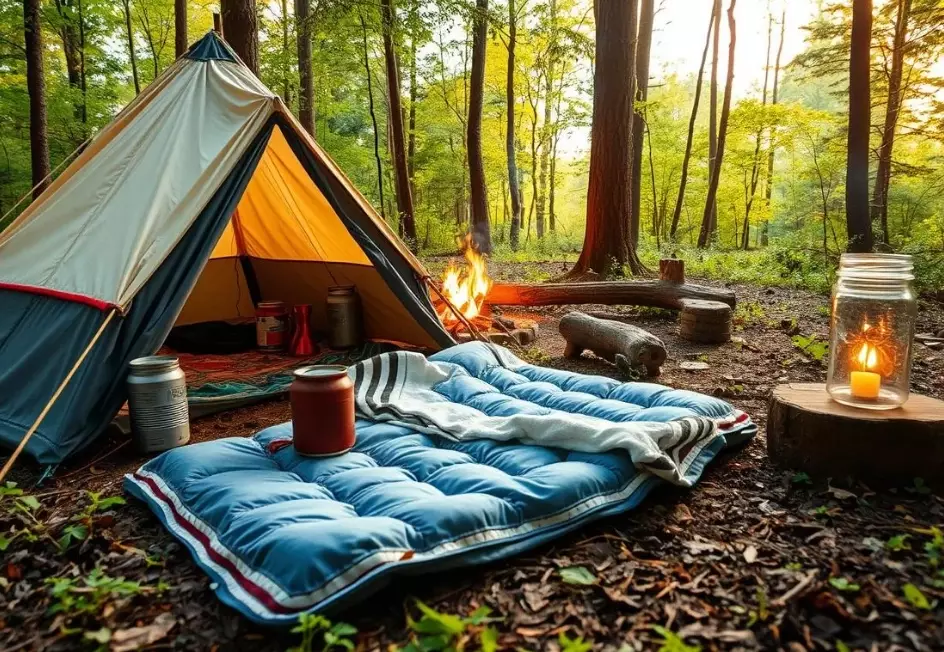
Your Budget Camping Roadmap
How to Find Free or Cheap Campsites (The Real Way)
This is where you save the most money, instantly. Forget thinking only about KOA or ReserveAmerica. The landscape of places to sleep is much bigger.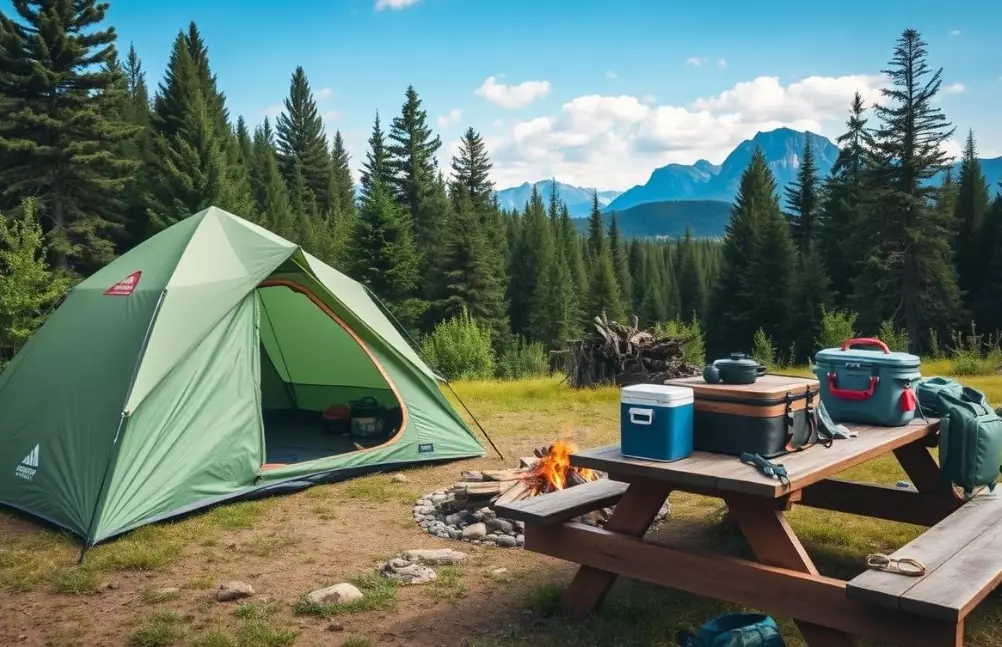
Public Land is Your Best Friend
In the United States, National Forests and Bureau of Land Management (BLM) land are goldmines for dispersed camping—that's camping outside of a designated, developed site. It's often free. The catch? No amenities. No water, no toilet, no picnic table. You bring everything in and pack everything out.
How to find them? Don't just rely on an app. Go to the source.
- Visit the official website of the National Forest you're targeting (e.g., "White River National Forest dispersed camping").
- Look for the "Camping" or "Recreation" section and find their motor vehicle use map (MVUM). These maps show legal forest roads where you can pull off and camp.
- Call the local ranger district office. A 5-minute call can tell you about fire restrictions, road conditions, and recent bear activity—info no app can reliably give you.
Pro Tip Everyone Misses: State-owned Wildlife Management Areas (WMAs) and some State Forests often allow free or very cheap primitive camping with a permit (sometimes free). They're overlooked and less crowded than federal land. Search "[Your State] WMA camping regulations".
Developed Campgrounds on a Budget
Sometimes you want a toilet. That's fine. Here’s how to find affordable developed sites.
| Campground Type | Typical Cost/Night | How to Find & Book | Best For |
|---|---|---|---|
| State Park Campgrounds | $15 - $30 | State park reservation websites. Book mid-week for best availability. | Families, first-timers, great facilities. |
| County & City Parks | $10 - $20 | Often not on major booking platforms. Search locally. | Quick getaways, surprising local gems. |
| US Army Corps of Engineers | $10 - $25 | Recreation.gov or direct via their website. Many are lakeside. | Water access, well-maintained. |
| BLM Developed Sites | $5 - $15 | First-come, first-served. Often have pit toilets. | Road-trippers, minimal amenities needed. |
I once planned a two-week trip through Utah relying almost entirely on BLM and National Forest land. My total camping fee was $40. The views were priceless.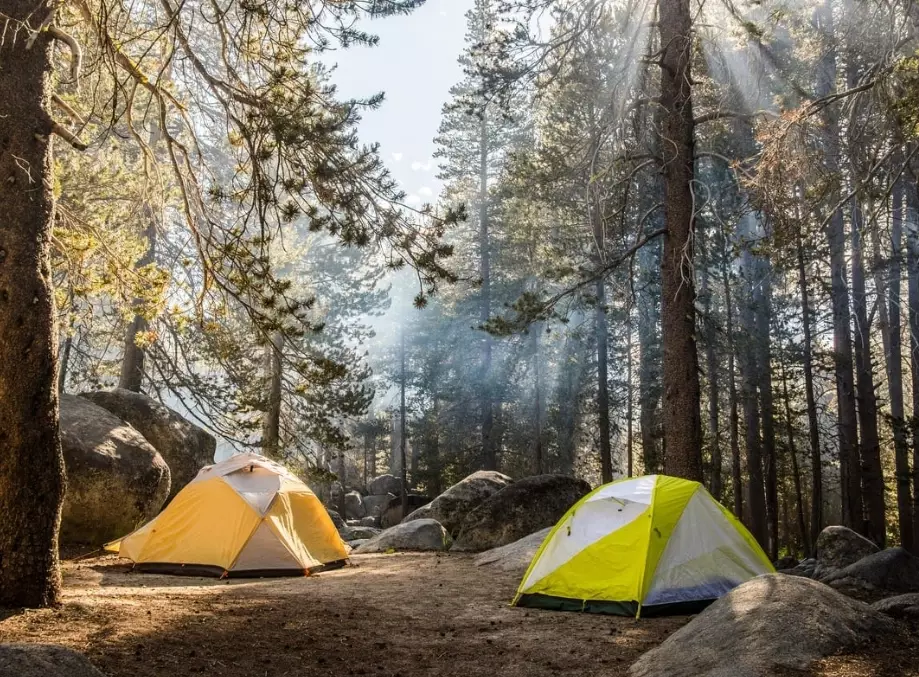
The Budget Gear Philosophy: What to Buy, What to Borrow, What to Skip
New campers stare at a wall of gear and think they need it all. You don't. Let's prioritize.
The Non-Negotiables (Invest Wisely)
These items keep you safe and comfortable. It's better to have a few good items than a pile of junk.
- Shelter: A cheap tent that leaks will ruin your trip. Look for sales on last year's models from Kelty, ALPS Mountaineering, or REI Co-op. Check Sierra Trading Post for deals. My first real tent was a $80 Kelty from a clearance rack and it lasted 7 years.
- Sleep System: This is warmth. A sleeping bag rated for the expected low temperature is crucial. Here's a secret: the temperature rating on cheap bags is wildly optimistic. Spend your money here. Look for used bags from reputable brands on Facebook Marketplace or Geartrade.com.
- Sleeping Pad: This insulates you from the cold ground. A basic closed-cell foam pad (like a Therm-a-Rest Z Lite Sol) is cheap, durable, and never leaks. It's noisy and bulky, but it works.
What to Borrow or Improvise
Before you buy, ask your outdoor-ish friend.
Borrow: Backpack, stove, cooler, camp chairs, lantern, water filter. Most people with this gear don't use it weekly and are happy to lend it.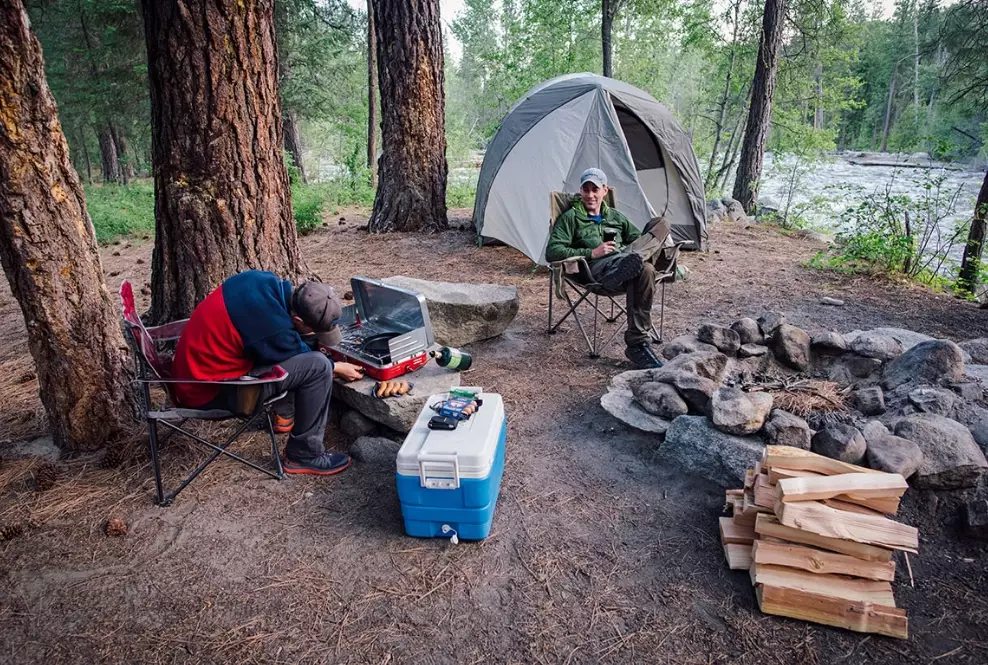
Improvise: Use a regular pot from your kitchen instead of a camping cookset. Use a headlamp (a $15 Black Diamond is fine) instead of a lantern. Wear layers of clothes you already own (fleece, synthetic puffy) instead of buying a special "camping jacket."
What to Skip Entirely (For Now)
Specialized camp tables, solar showers, fancy percolators, decorative string lights, giant inflatable sofas. These are "comfort adds" for later. Focus on the core.
The biggest mistake I see? Buying a giant, heavy, cheap "family cabin tent" because it's on sale at Walmart. It's a nightmare to set up in wind and will likely fail. A smaller, simpler, slightly more expensive dome tent is a far better investment.
Mastering Cheap Camp Food: A 3-Day Meal Plan
Camp food can be tortilla-wrapped hot dogs or a gourmet feast. Budget camping leans toward the former, but it can still be delicious. The goal: minimize cooler space (ice costs money and melts) and use shelf-stable ingredients.
Breakfast: Instant oatmeal is king. Bulk it up with a spoonful of peanut butter and a handful of raisins. No cooking required if you use cold water—it just takes longer to soak.
Lunch: This is your on-the-trail or exploring meal. Tortillas are your best friend—they don't get crushed like bread. Fill them with single-serve packets of tuna or chicken salad (look for the ones with crackers), add a squeeze of mustard from a fast-food packet.
Dinner: One-pot wonders. Here’s a favorite: Bring water to a boil, add a block of ramen, a pouch of pre-cooked lentils (from the grocery aisle), and a handful of freeze-dried peas. Season with the ramen packet and a dash of hot sauce. Filling, hot, and costs about $3 per person.
Food Cost Hack: Repackage everything at home. Dump cereal into a zip bag. Pre-mix your trail mix. Pre-measure coffee grounds into a filter. It saves space, reduces trash you have to pack out, and prevents you from over-packing.
Slashing Hidden Costs: Transportation, Fees, and Timing
The campsite is $20, but the gas to get there is $80. See the problem?
Transportation: Carpool. Split the gas 3 or 4 ways. Choose a destination closer to home. A 2-hour drive to a great state park is better than an 8-hour drive to a famous national park if your budget is tight. Check your tire pressure before you go; under-inflated tires hurt fuel economy.
Fees: Many national parks charge an entrance fee ($35 per vehicle). If you're going more than once, the $80 America the Beautiful Annual Pass pays for itself in three visits. It covers entrance fees at all federal recreation sites. For a group, this is a massive saver.
Timing: Camp mid-week. Sites are cheaper and easier to get. Avoid holiday weekends like the plague—prices peak and sites are booked solid. Shoulder seasons (late spring, early fall) often have lower rates and fewer bugs.
Budget Camping FAQs: Your Tough Questions Answered
 Camping on a budget isn't a limitation; it's a creative challenge. It forces you to focus on the essentials: a patch of ground, a starry sky, and good company. The money you save on fancy gear and expensive sites is money you can spend on more trips. Start with what you have, borrow what you can, and invest slowly in the pieces that matter. The trail is waiting, and your wallet doesn't have to be empty to get there.