You feel it, right? That constant low hum of stress. The screen fatigue. The nights where sleep feels shallow. We're told to meditate, exercise, eat better. But what if the most powerful tool for mental and physical wellness has been sitting in your garage or storage closet all along? I'm talking about your tent.
Camping for health goes beyond a fun weekend. It's a deliberate use of the outdoors as therapy. After a decade of guiding trips and seeing the transformations—from burned-out executives to anxious students—I've stopped calling it a hobby. It's a practice.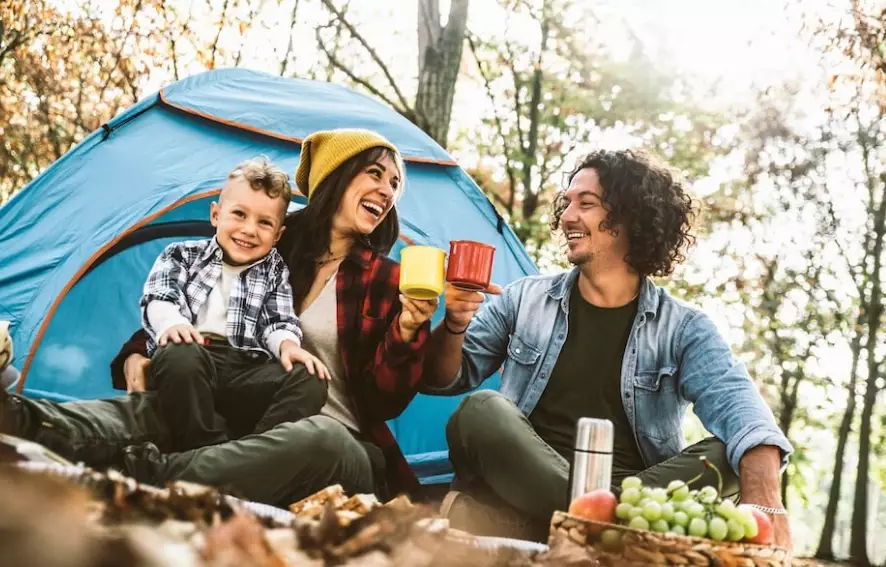
The magic isn't just in "being outside." It's in the specific, almost forced, changes to your environment and behavior that camping demands. No Wi-Fi password to distract you. No fridge to graze from. Just the sun, the trees, and your own thoughts. This guide cuts through the fluff. We'll look at the real science, plan your first trip without overwhelm, and show you how to come back feeling genuinely different.
What You'll Find in This Guide
The Science-Backed Health Benefits of Camping
Let's move past "fresh air is good." Why does camping work so well?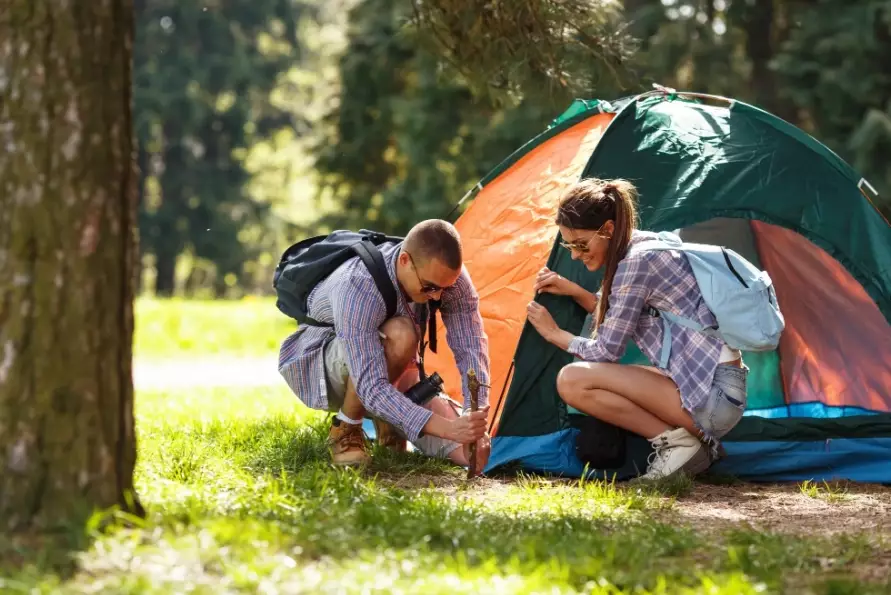
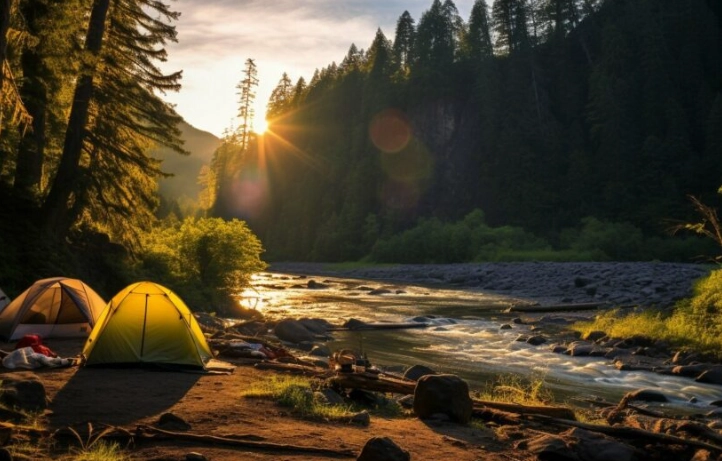
It Resets Your Circadian Rhythm. Our bodies are governed by a master clock tuned to natural light. A study published in Current Biology found that after a week of camping, participants' internal clocks synchronized nearly perfectly with sunrise and sunset. The culprit? The bright, full-spectrum light of day and the profound darkness of night. Even a weekend trip can kickstart this process, leading to deeper, more restorative sleep and more alert mornings. You're not just sleeping in a tent; you're recalibrating a fundamental biological rhythm.
It's a Forced Digital Detox. This isn't about willpower. At many campsites, cell service is spotty or nonexistent. That constant drip of notifications, emails, and social comparison stops. The brain's default mode network—responsible for mind-wandering, self-reflection, and creativity—finally gets space to activate. Researchers link this state to reduced anxiety and improved problem-solving. You're not bored; you're giving your brain the downtime it craves.
It Lowers Cortisol & Invites Mindfulness. The sounds of nature—wind, water, birdsong—aren't just pleasant. They have a measurably different effect on our nervous system than urban noise. They can lower cortisol (the stress hormone) and reduce sympathetic nervous system activity (the "fight or flight" response). This state makes it easier to slip into mindfulness. Sitting by a fire, watching flames dance, becomes a natural meditation. You're practicing presence without an app.
It Encourages Gentle Movement. Camping is inherently physical in a joyful way. Gathering firewood, setting up a tent, hiking to a viewpoint, filtering water. This is functional movement, varied and connected to a purpose. It's not a grueling workout, but it keeps your body engaged in a way that sitting at a desk never does.
A Quick Note on "Forest Bathing" (Shinrin-yoku)
You might have heard this Japanese term. The core idea—immersing yourself in the atmosphere of the forest—is exactly what camping facilitates. Studies from Japan and Korea suggest that phytoncides (natural oils released by trees) can boost immune cell activity and lower stress hormones. A camping trip is essentially an extended, multi-sensory forest bath. You're not just walking through the woods; you're living in them, breathing them in for hours on end.
How to Plan Your First Health-Focused Camping Trip
Forget epic, Instagram-worthy expeditions. Your goal is accessibility and comfort. Complexity is the enemy of relaxation.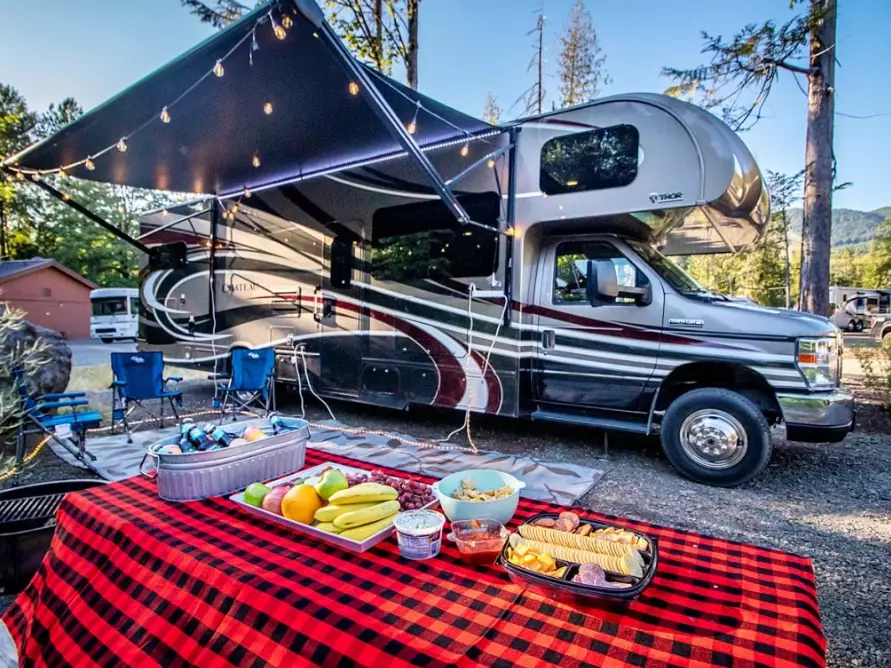
Step 1: Reframe Your Goal
Your objective is not to "conquer the wilderness." It's to spend two nights sleeping outside, disconnected, and observing how you feel. That's it. This takes the pressure off.
Step 2: Pick a Time & Duration
Aim for two nights. One night is just a novelty sleepover. Two nights allows your body and mind to truly settle into the new rhythm. Friday afternoon to Sunday morning is perfect. Avoid holiday weekends—crowds defeat the purpose.
Step 3: The Gear Mindset: Less is More
You don't need $2000 worth of equipment. You need the right few things. We'll cover a specific list below, but the philosophy is key. Borrow or rent before you buy. A common rookie mistake is bringing too much stuff, which just creates clutter and stress in your small camp space.
Choosing Your Spot: Not All Campgrounds Are Created Equal
Where you camp makes all the difference. For a health-focused first trip, I strongly recommend a developed campground in a state or national park.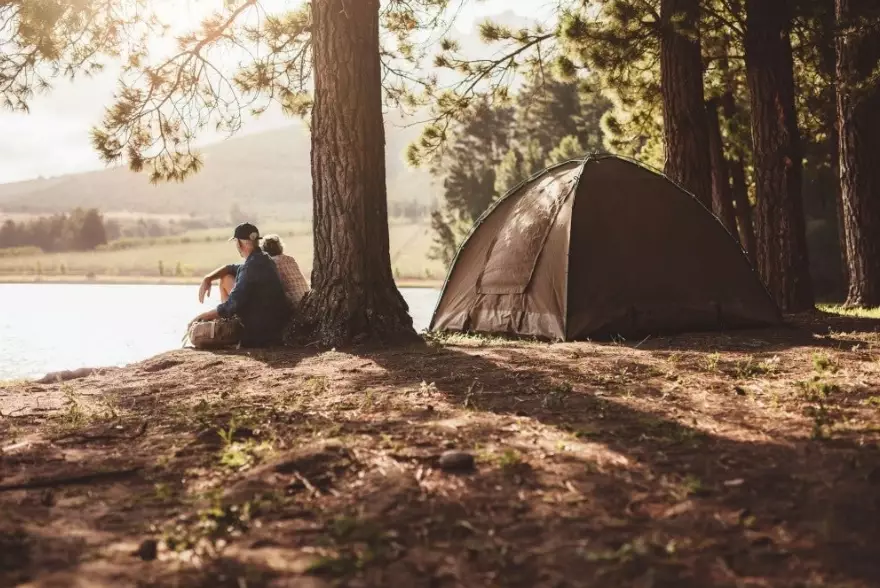
Why? These sites offer a crucial safety net: potable water, maintained restrooms (often with flush toilets), a designated fire ring, and a picnic table. You're removing variables like water purification and extreme isolation, which can spike anxiety for newcomers.
How to find one:
- Search for "[Your State] State Park camping" or visit the Recreation.gov website for federal lands.
- Look at the campground map. Try to book a site that's not right next to the bathroom or main road for more privacy.
- Read recent reviews on sites like The Dyrt or Campendium. Look for mentions of "quiet," "shady," or "spacious."
Avoid RV-centric private campgrounds with paved pads, street lights, and Wi-Fi blaring everywhere. You want nature, not a parking lot with trees.
Gear for Wellness, Not Just Survival
This isn't an exhaustive mountaineering list. It's a curated list for comfort and peace of mind.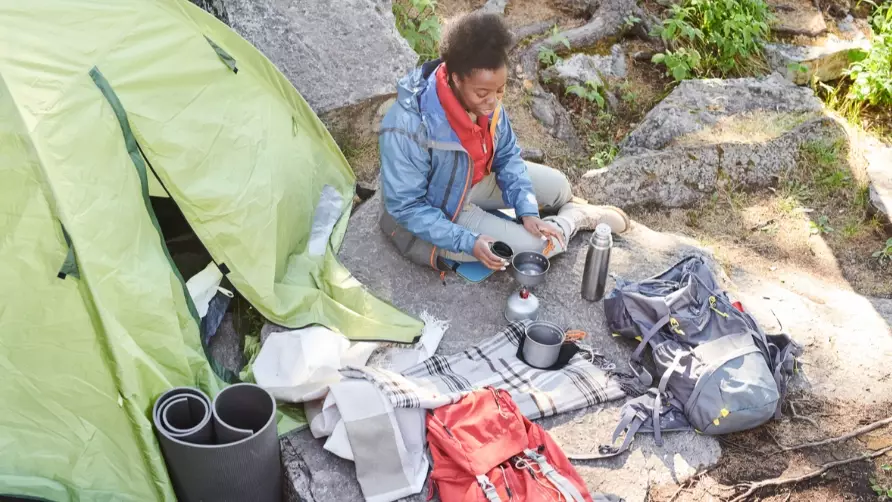
The Big Three:
- Shelter: A simple 3-season tent. Practice setting it up in your backyard first. Nothing kills vibes faster than fumbling with poles in the dark.
- Sleep System: This is where you cannot cheap out. A sleeping pad with a good R-value (insulation) is more important than the bag. Cold from the ground will ruin your night. Pair it with a sleeping bag rated about 10°F lower than the expected low temperature.
- Lighting: A headlamp with a red light mode. White light destroys night vision and melatonin production. Red light lets you see without shocking your system.
The Wellness Extras:
- A Comfortable Camp Chair: Non-negotiable. If you're uncomfortable, you won't sit still long enough to unwind.
- A Journal and a Paperback Book: Alternatives to screen time. Let your thoughts flow or get lost in a story.
- A Simple Thermos: For keeping tea or coffee warm for those slow mornings.
- Earplugs and a Sleep Mask: Campgrounds have natural sounds, but sometimes a distant generator or early-rising bird can be distracting. Control your sleep environment.
A Simple, Mindful Camping Itinerary
Here’s a loose framework. The point is to have no point.
Friday (Arrival & Unwind): Arrive with plenty of daylight left. Set up camp slowly. Take a short, aimless walk around the campground loop. Notice the trees, the light. Cook a simple dinner (pre-make a stew at home and just heat it). As dusk falls, limit bright lights. Sit by the fire or just in the dark. Go to bed when you feel tired—no "shoulds."
Saturday (The Reset Day): Wake naturally. Don't fight it if it's early. Make your warm drink and just sit. Watch the camp come to life. Later, choose one gentle activity: a 2-3 mile hike on a nearby trail (get a map from the ranger station), or find a stream to sit by. The afternoon is for napping in the tent, reading, or more sitting. Notice the urge to check your phone. Don't. Let the boredom happen. That's where the good stuff is.
Sunday (Gentle Return): Another slow morning. Pack up leisurely after breakfast. The goal is to leave feeling like you had enough, not that you're escaping. Drive home via a scenic route if possible.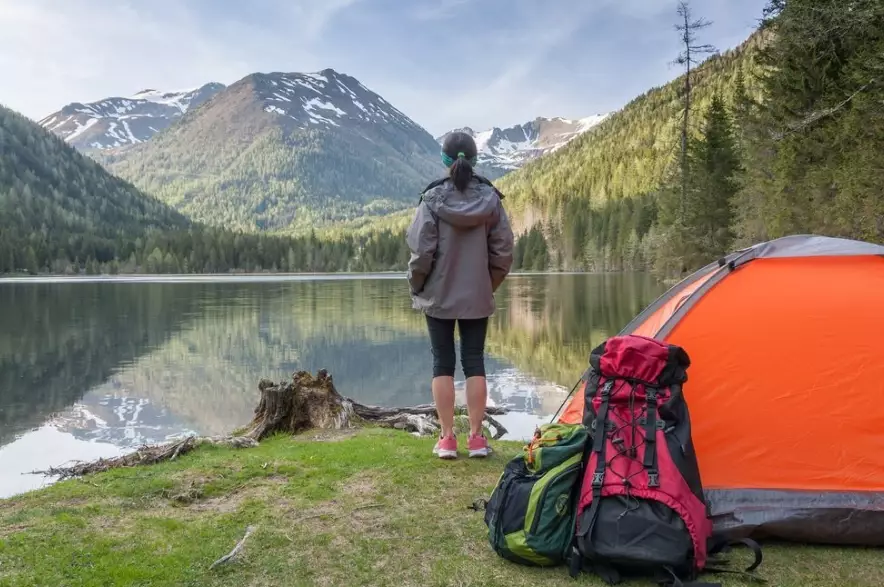
Bringing the Calm Home: Post-Trip Integration
The real test isn't the trip; it's the week after. You'll feel a glow, but modern life will rush back in. How do you keep a piece of that peace?
Identify one sensory anchor from your trip. Was it the smell of pine? The sound of rain on the tent? The feeling of cool morning air? Find a way to bring a tiny piece of that home. Maybe it's a pine-scented candle for evenings, or a recording of rain sounds for sleep. More importantly, protect one small habit. Could you have a "screen-free sunset" once a week? Could you commit to eating one meal outside on your patio? The camping trip shows you what's possible. Your job is to build small bridges back to that state in daily life.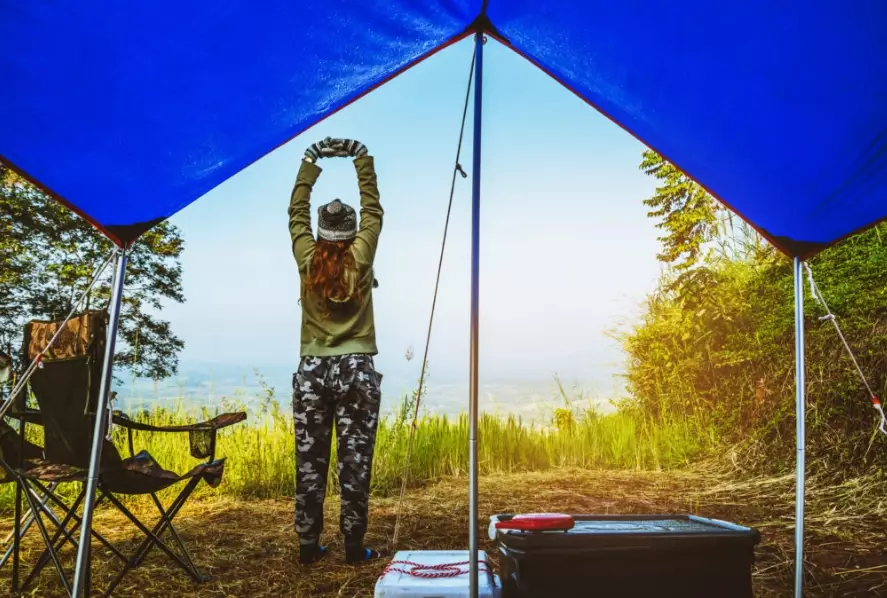
Your Questions, Answered
Is camping safe for someone with no outdoor experience?
Absolutely, if you start smart. The biggest mistake is overcomplicating it. Skip the backcountry for your first trip. Book a spot at a developed campground, often called a 'frontcountry' site. These have designated tent pads, a picnic table, a fire ring, and most importantly, access to restrooms and potable water. You're not roughing it; you're just sleeping outside with a safety net. Focus on comfort—a good sleeping pad is more critical than a fancy tent. Tell a friend your plans and check the weather. This approach removes 90% of the perceived risk.
How can I make camping help reset my sleep cycle?
It's about surrendering to the natural light-dark cycle, not just being outside. Leave your bright lanterns and phone screen in the tent after dusk. Sit by the dim firelight or use a red-light headlamp (red light doesn't suppress melatonin as much). When you wake up with the sun, don't roll over. Get out of the tent, make your coffee, and face the morning light for 15-20 minutes. This direct light exposure is the strongest signal to your brain's internal clock. After two nights of this, most people find their sleep feels deeper and more aligned.
What's the one piece of gear most people forget for a health-focused trip?
A simple, lightweight camp chair. People pack for survival but neglect comfort for mindfulness. If your back is aching from sitting on a log or the cold ground, you won't stay still long enough to decompress. That quiet, seated observation—watching clouds, listening to birds—is where the mental reset happens. A comfortable chair invites you to stay put and be present. It's not a luxury; it's a tool for achieving the calm you went out there to find.
Can a weekend camping trip really reduce stress long-term?
The trip itself is a powerful reset, but the long-term benefit comes from integration. The goal isn't just two stress-free days; it's to identify what creates that peace and bring a sliver of it home. Was it the hour without your phone? The physical tiredness from a hike? The smell of pine? Maybe it's committing to a 'screen-free sunset' once a week at home, or a weekly walk in the local park. Camping shows you a baseline of calm. The long-term reduction comes from consciously building small, regular habits that reconnect you to that feeling, reminding your nervous system it can dial down.
So, is camping a cure-all? No. But it's a profoundly effective tool. It strips away the noise and lets you hear yourself again. It's not about becoming an outdoors expert. It's about using a simple, ancient practice to find balance in a modern world that's constantly pushing you off-center. Your tent is waiting. The reset button is out there.