What's Inside This Guide
I still remember my first camping trip with my dog, Max. It was a disaster. He barked all night, chased a skunk, and I forgot his water bowl. But over the years, I've learned the ropes, and now we have amazing adventures together. If you're thinking about camping with your dog, this guide will save you from my mistakes.
Camping with dogs isn't just about throwing a leash in the car. It's about preparation, knowing where to go, and keeping your furry friend safe. Let's dive in.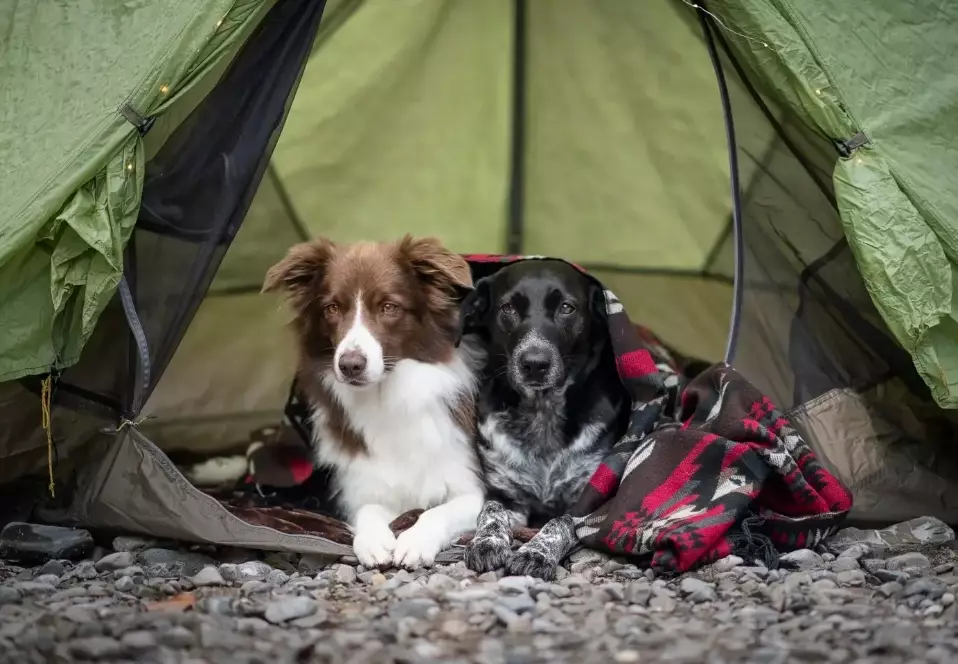
Why Bring Your Dog Camping?
Dogs love the outdoors—the smells, the space, the freedom. But it's not all sunshine and rainbows. The benefits are huge: bonding time, exercise, and mental stimulation for your dog. However, the challenges are real too. Noise, wildlife, and unpredictable weather can turn a fun trip into a nightmare if you're not prepared.
I've seen dogs get anxious around campfires or run off after deer. It's crucial to assess your dog's temperament first. Not every dog is cut out for camping, especially if they're prone to anxiety or aggression. Start with short trips to test the waters.
Getting Ready: Your Pre-Camping Checklist
Preparation is everything. Rushing leads to forgotten items and stressed pets.
Health and Vaccinations
Visit your vet before any trip. Ensure your dog is up-to-date on vaccinations, especially rabies, bordetella (kennel cough), and leptospirosis—common in outdoor environments. Discuss flea and tick prevention; I use a monthly topical treatment, but oral options work too.
Pack a copy of vaccination records. Some campsites require them, and it's better to be safe. Also, consider microchipping if your dog isn't already. A friend's dog got lost in a forest, and the microchip helped reunite them.
Essential Gear for Your Dog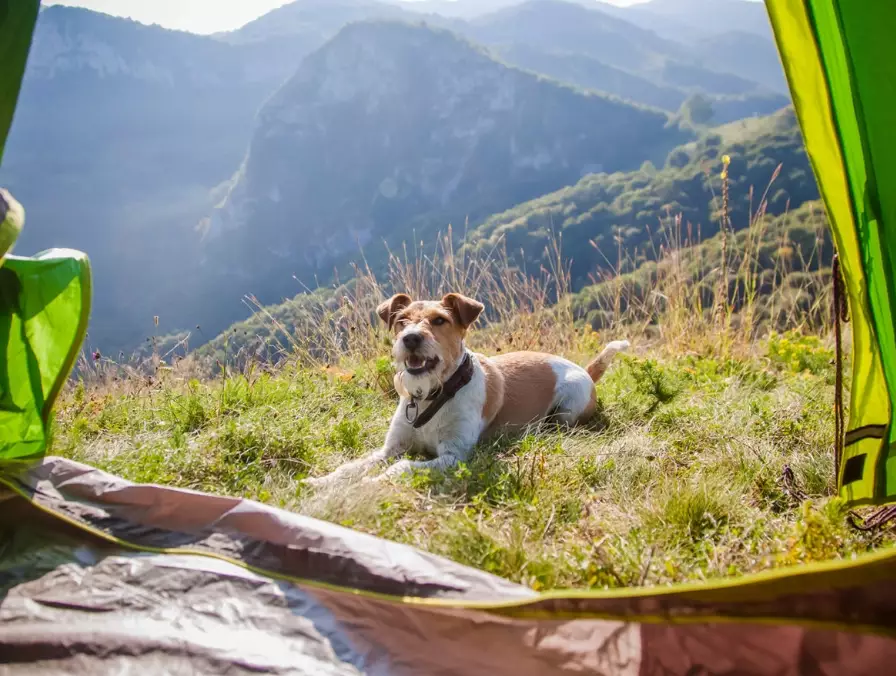
Here's a gear checklist I've refined over 10 years of camping with dogs. It's based on trial and error—like the time I didn't bring paw protection and Max cut his pads on rocky trails.
| Item | Why It's Important |
|---|---|
| Sturdy leash (6-foot) | Retractable leashes can snap; a fixed leash gives better control. |
| Collapsible bowls | Lightweight and space-saving; I use one for water and one for food. |
| Dog first-aid kit | Include gauze, antiseptic wipes, tweezers for ticks, and vet wrap. |
| Paw protection | Booties or wax for rough terrain; prevents cuts and burns. |
| Poop bags | Always pack extra; leave no trace principles apply. |
| GPS tracker collar | A game-changer for off-leash areas; gives peace of mind. |
| Familiar bedding | Reduces anxiety; I bring Max's old blanket. |
| Extra food and water | Pack 25% more than usual; outdoor activities increase appetite. |
Don't forget toys and treats for positive reinforcement. A chew toy can keep your dog occupied while you set up camp.
Finding the Perfect Dog-Friendly Campsite
Not all campsites welcome dogs, and even those that do have rules. Research is key.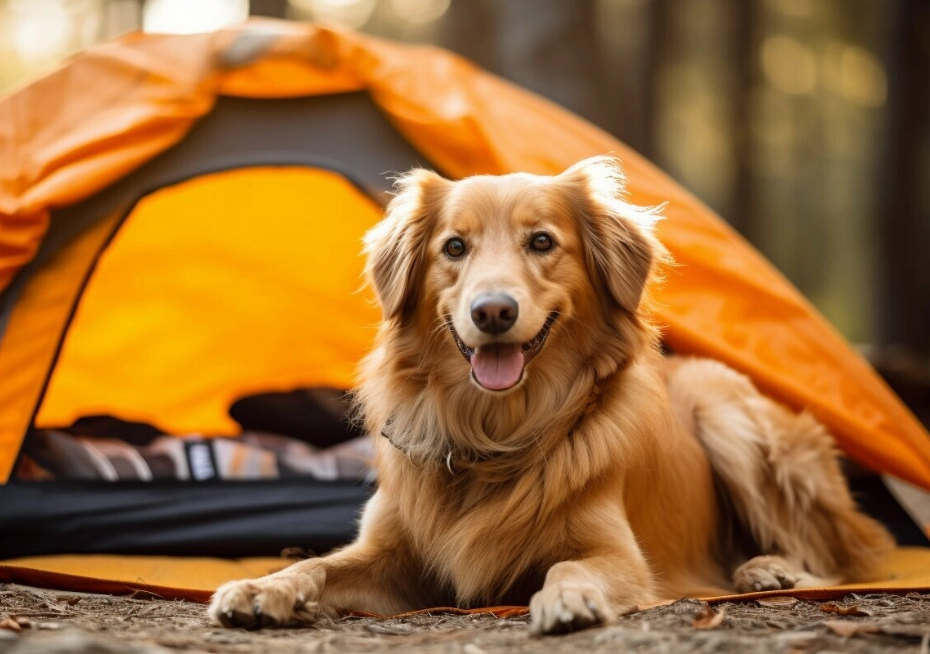
Top 3 Dog-Friendly Camping Destinations in the US
Based on personal visits and recommendations from other campers, here are my top picks:
- Acadia National Park, Maine: Dogs are allowed on most trails and campgrounds, but must be leashed. Address: Hulls Cove Visitor Center, Bar Harbor, ME. No extra fees for dogs, but check for seasonal restrictions. The carriage roads are perfect for easy walks.
- Yosemite National Park, California: Dogs are restricted to paved areas and some campgrounds. Address: Yosemite Valley, CA. They're not allowed on trails, so it's better for relaxed camping. I stayed at Upper Pines Campground—dog-friendly but book early.
- Great Smoky Mountains National Park, Tennessee/North Carolina: Dogs can access campgrounds and two short trails. Address: Gatlinburg, TN. Leashes required, and always clean up after your pet. The park's website has detailed maps.
Always verify current rules on the National Park Service website or call the park directly. Policies change, and I've been caught off guard before.
What to Look for in a Dog-Friendly Campsite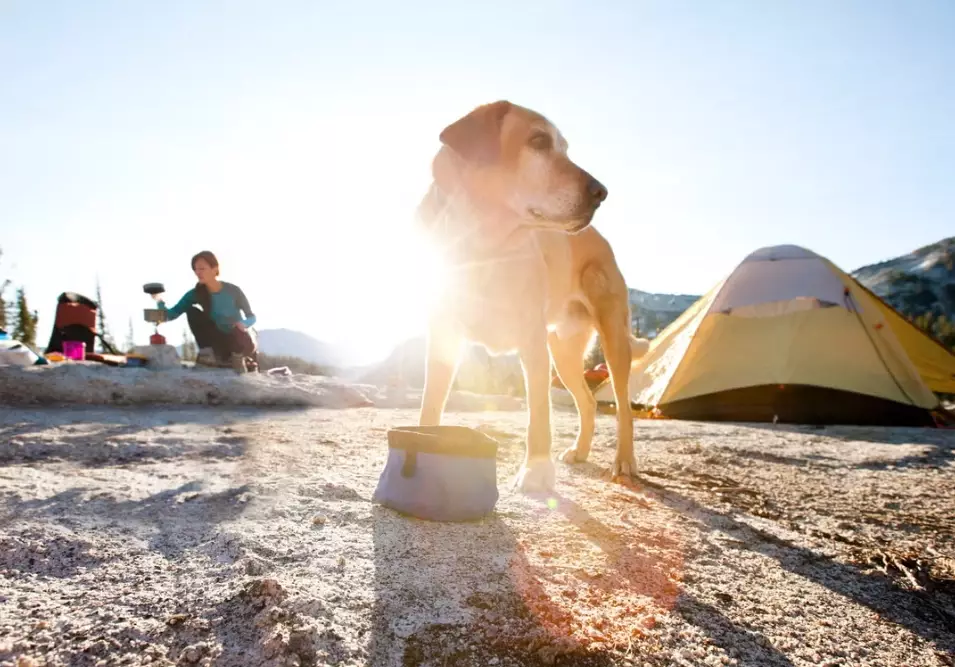
Beyond the big names, look for these features:
- Designated dog areas: Some sites have off-leash zones or dog parks.
- Proximity to water: Dogs need to drink and cool off; a nearby stream or lake helps.
- Shade and shelterProtects from sun and rain; I once camped in an open field, and Max overheated.
- Clean-up stations: A sign the site is serious about dog-friendliness.
Read reviews on sites like BringFido or AllTrails. Other campers often share tips about trail conditions and dog policies.
On the Ground: Tips for a Successful Trip
Once you're there, the real work begins. Keep your dog engaged and safe.
Managing Your Dog's Behavior
Dogs can act out in new environments. Establish a routine: feed and walk at similar times each day. Use commands consistently; I practice "leave it" for wildlife encounters and "settle" for calm moments.
Barking is a common issue. If your dog barks at noises, distract them with a treat or toy. Never punish—it increases anxiety. I bring a white noise machine for the tent; it masks outside sounds and helps Max sleep.
Safety First: Wildlife and Weather
Wildlife is a real threat. Keep your dog leashed in bear country; I use a bear bell on Max's collar to alert animals. Check for ticks daily; Lyme disease is prevalent in many camping areas.
Weather can change fast. Bring a dog coat for cold nights and a cooling mat for heat. Watch for signs of overheating: excessive panting, drooling. If it's too hot, hike early or late in the day.
Hydration is critical. I carry a portable water filter and offer water every hour during activities. Dehydration sneaks up quickly.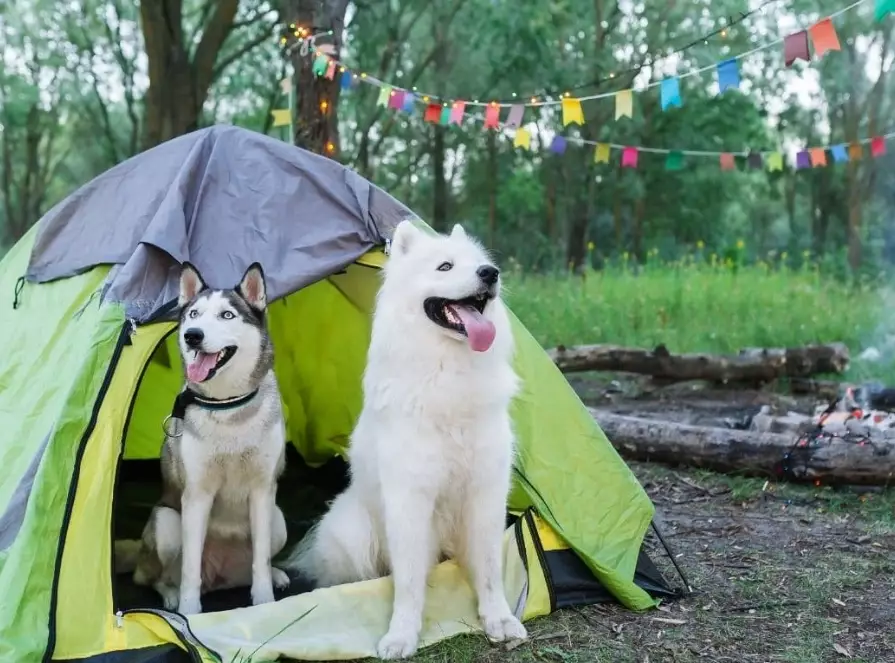
Frequently Asked Questions
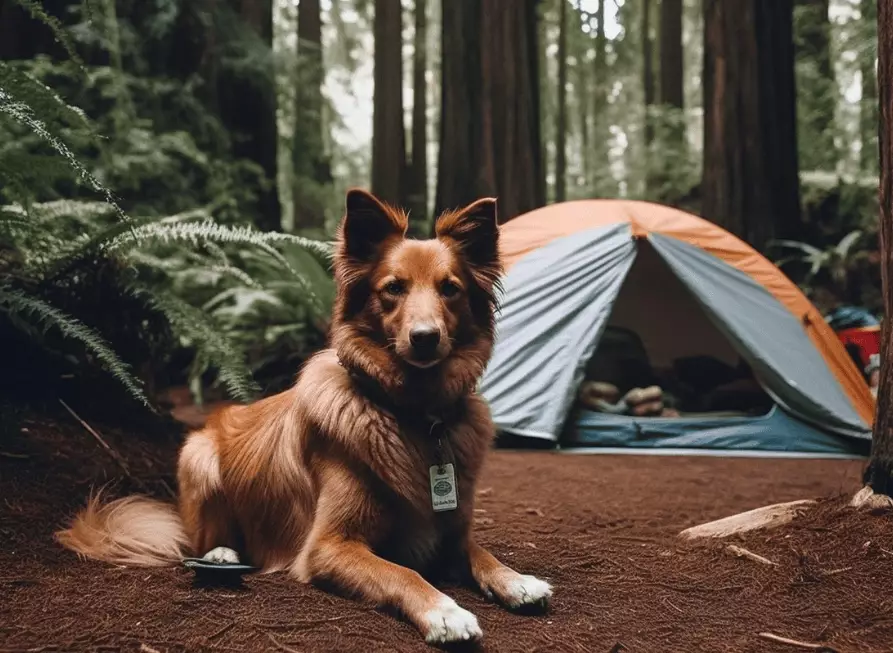 Camping with dogs can be rewarding, but it demands attention to detail. Start small, learn from each trip, and soon you'll have a loyal adventure buddy. Remember, every dog is different; tailor your approach to their needs. Happy camping!