Forget everything you think you know about winter camping. It's not just an exercise in enduring misery or showing off your gear. Done right, it's a portal to a completely different world—one where national parks belong to you and the animals, where the air is diamond-sharp, and the night sky explodes with stars you never see in summer. I've been chasing this quiet magic for over a decade, from the frosted rim of the Grand Canyon to the steaming geyser basins of Yellowstone. Let's talk about where to go and, more importantly, how to do it so you actually enjoy yourself.
Your Winter Camping Roadmap
Top 3 Winter Camping Destinations for Unforgettable Experiences
Picking the right spot is 80% of the success. You want accessible beauty, manageable conditions for your skill level, and infrastructure that doesn't vanish in December. Here are my top picks, vetted for their unique winter character.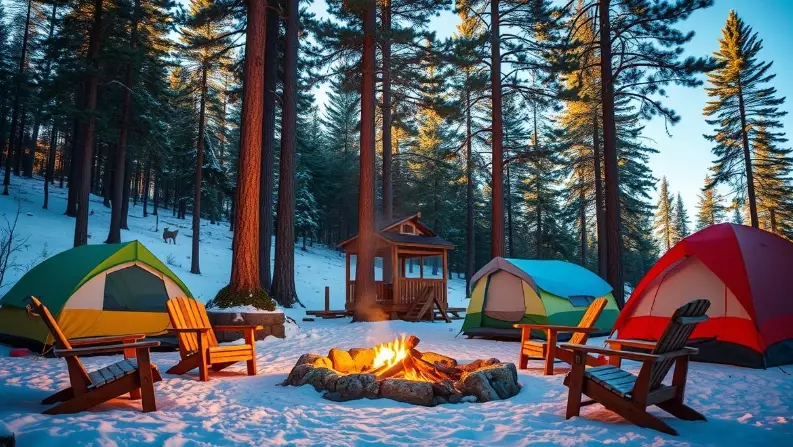
1. Grand Canyon National Park (South Rim), Arizona
The summer crowds are a distant memory. In winter, the South Rim transforms. Snow dusts the red rocks, creating a stunning contrast. The silence is profound. You can hear the wind carve through the canyon a mile away.
Permits, Fees, and When to Go: The park is open 24/7, year-round. The entrance fee is $35 per vehicle, valid for 7 days. For camping, the Mather Campground in Grand Canyon Village stays open all winter. Sites are first-come, first-served from December through February. It costs $18 per night. You can also try for a backcountry permit for more remote winter camping, but that's for experienced folks only. January and February are the prime months—cold but clear.
Getting There and Campground Details: Fly into Flagstaff (FLG) or Phoenix (PHX). It's about a 1.5-hour or 3.5-hour drive respectively. Mather Campground has flush toilets and drinking water (check for freeze closures), but no RV hookups. The real magic? Walking to the rim at sunrise from your tent. The shuttle buses still run on a reduced schedule, giving you access to viewpoints without driving on potentially icy roads.
2. Yellowstone National Park, Wyoming/Montana
Winter is Yellowstone's secret season. The geothermal features steam against the deep snow, creating unreal landscapes. Bison sport frosty beards, and wolves are more active. It's raw, wild, and incredibly rewarding.
Permits, Fees, and When to Go: The park is open, but most roads are closed to regular cars. You need a $20 snowmobile/coach pass or book a guided tour to access the interior, plus the $35 park entrance fee. For camping, your main option is the Mammoth Hot Springs Campground, the only one open year-round. It's first-come, first-served in winter, $20 per night. December through March is the season, but February offers longer days.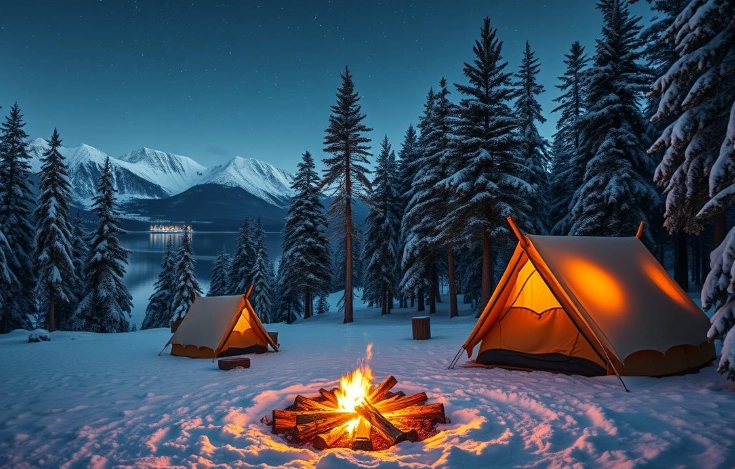
Getting There and Campground Details: Fly into Bozeman (BZN) or Jackson Hole (JAC). The North Entrance at Gardiner, Montana, is the only road open to cars all winter, leading to Mammoth. The campground has flush toilets (heated!) and running water. From here, you must join a guided snowcoach or ski/snowshoe in to see Old Faithful or the Grand Canyon of the Yellowstone. It's a commitment, but the payoff is a scene from a nature documentary.
3. Joshua Tree National Park, California
A different kind of winter camping. Think crisp, sunny days and cold, star-packed nights. The desert in winter is alive, and the lack of summer's brutal heat makes exploration a joy. The rock formations and twisted Joshua Trees under a winter sky are iconic.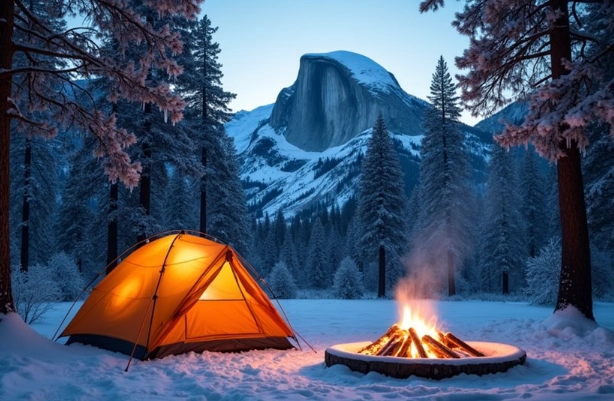
Permits, Fees, and When to Go: Park is open 24/7. Entrance fee is $30 per vehicle. Several campgrounds are perfect for winter: Jumbo Rocks and Indian Cove are my favorites. They are first-come, first-served October through May. Sites are $20 per night. The best window is November through February. Nights can dip below freezing, but daytime temperatures are often in the 50s and 60s (°F).
Getting There and Campground Details: Fly into Palm Springs (PSP) or Los Angeles (LAX). It's about a 45-minute or 2.5-hour drive. These are primitive campgrounds—pit toilets, no water. You must bring all your water. The trade-off is incredible stargazing. Joshua Tree is a designated Dark Sky Park. On a moonless night, the Milky Way is so bright it casts shadows.
| Destination | Best For | Winter Avg. Low Temp | Camping Style | Key Consideration |
|---|---|---|---|---|
| Grand Canyon (South Rim) | Accessible grandeur, easy winter camping | 15°F to 25°F (-9°C to -4°C) | Frontcountry (car camping) | Potential for ice/snow on trails |
| Yellowstone (Mammoth) | Wildlife, geothermal wonders, adventure | 0°F to 15°F (-18°C to -9°C) | Frontcountry (requires oversnow transport for interior) | Logistically complex, truly cold |
| Joshua Tree | Stargazing, mild days, unique landscapes | 30°F to 40°F (-1°C to 4°C) | Primitive car camping | No water at campsites, windy |
The Real Challenges of Winter Camping (And How to Overcome Them)
Most blogs just tell you to get a warmer sleeping bag. That's the easy part. The real issues are subtler.
Staying Warm is About Moisture Management, Not Just Insulation
You'll sweat setting up camp. That moisture stays in your base layers, then sucks heat from your body the moment you stop moving. The fix? Layers you can ventilate. A zip-neck merino wool base layer is gold. The moment you feel a hint of sweat, unzip. Before you get into your sleeping bag for the night, change into a dedicated, bone-dry set of base layers—I keep mine in a plastic bag. This one habit changed my winter camping comfort more than any piece of gear.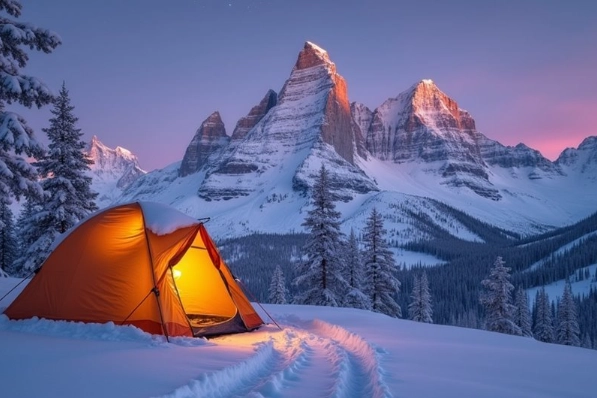
Your Sleep System is a Ground-Up Project
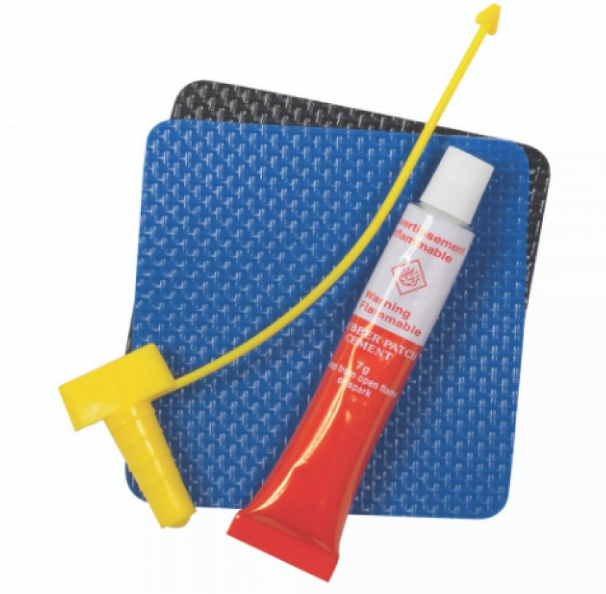
A -20°F bag is useless if the cold is coming up from the ground. Insulation compresses under you. The standard advice is an insulated air pad with a high R-value (5+). Fine. But here's the non-consensus trick: pair it with a closed-cell foam pad underneath. Even a thin one. It adds R-value, but more importantly, it's a fail-safe. If your air pad gets a puncture (it happens), the foam pad keeps you off the frozen ground. I learned this the hard way on a 10°F night in Colorado. Never again.
Water and Fuel: The Hidden Logistics
Water freezes. White gas stoves work better than canister stoves in deep cold (keep the canister in your jacket before use). But the real headache is planning your melt water. Melting snow for water consumes a huge amount of fuel and time. For a weekend trip, it's far smarter to bring all the liquid water you'll need. Store Nalgene bottles upside down so the ice doesn't seal the lid. Put them in your sleeping bag at night. It sounds like a hassle, but it beats spending an hour each morning boiling snow for coffee.
Your Winter Camping Questions, Answered
Winter camping strips away the noise—both literal and figurative. It's just you, the elements, and landscapes that feel newly discovered. Start with a manageable goal: one night at a serviced campground in a beautiful place. Master keeping yourself warm, dry, and hydrated. The solitude and the stars will hook you. That first silent sunrise over a snow-covered canyon, with steam rising from your mug, makes all the preparation worth it.