You've found the perfect spot, the tent is up, and the fire is crackling. Then it hits: that quiet moment where someone asks, "So... what now?" If your idea of camping fun starts and ends with staring at flames, you're missing out. Camping entertainment isn't just about passing time—it's the glue that turns a group of people in the woods into a memorable adventure. It's about laughter after a failed marshmallow flip, the friendly rivalry of a trailside game, and the shared wonder of a sky full of stars you can't see back home.
Forget the generic lists. This guide comes from years of trial, error, and watching what actually works when you mix different ages, personalities, and weather forecasts. We'll move beyond basic suggestions and into a strategic plan for fun.
Your Quick Guide to Camping Fun
Planning Your Camping Entertainment: Start with the Basics
Jumping straight to a list of games is the first mistake. Context is everything. A brilliant activity for a group of adults falls flat with restless six-year-olds. A game perfect for a sunny meadow is useless in a downpour.
Ask these questions first:
Who's going? The age mix dictates everything. Toddlers need simple, sensory play. Teenagers often need a bridge between digital and analog worlds—think photo scavenger hunts. Adults might appreciate activities that foster conversation or light competition.
Where are you camping? A crowded state park campground near others requires quieter, contained fun. A remote backcountry site lets you be louder and use more space. Check the specific rules of your site—some prohibit ball games or loud music after certain hours.
What's the forecast? Always, always have a solid "Plan B" for rain or extreme heat. Your entertainment kit should include indoor-tent options.
How long is the trip? A weekend trip needs a tighter, high-impact selection. A week-long stay allows for more elaborate projects and skill-building activities that unfold over days.
Top Camping Entertainment Ideas for All Ages
Here’s a curated breakdown, moving from simple classics to more involved projects. Think of this as your mix-and-match menu.
Classic & Low-Equipment Games
These are your workhorses. They require little to no gear and work in most settings.
20 Questions (Nature Edition): Instead of "animal, vegetable, mineral," restrict it to things found in your immediate natural environment. It sharpens observation skills. Is it bigger than a breadbox? Is it alive? Can I see it from where I'm sitting?
Campfire Stories (Beyond the Scary): Scary stories are a staple, but try a progressive story. One person starts with a sentence, the next adds on. It gets hilariously absurd. For families, try "Fortunately/Unfortunately": "Fortunately, we found a giant marshmallow tree. Unfortunately, it was guarded by very sticky squirrels."
Shadow Puppets: All you need is a headlamp and a tent wall. It's magical for young kids and can become surprisingly artistic for adults.
Active & Adventure-Based Activities
To burn energy and explore.
| Activity | Best For | What You Need | Pro Tip |
|---|---|---|---|
| Nature Scavenger Hunt | All ages, adaptable | List (paper or phone), bag for finds | Make it sensory: find something smooth, something rough, something that makes a sound. For older kids, add photo challenges—a picture posing like a tree, or finding a heart-shaped rock. |
| Trail Bingo | Kids on hikes | Pre-made bingo cards with pictures of common trail sights (a hawk, a specific mushroom, a waterfall). | Laminate cards and use dry-erase markers. It keeps kids engaged on longer hikes, looking up instead of down at their feet. |
| Flashlight Tag | Groups, after dark | One flashlight per player, a safe, defined area. | Use headlamps for hands-free play. Establish clear boundaries well away from any trip hazards or the fire pit. |
| Geocaching | Tech-savvy families & adults | Smartphone with GPS, Geocaching app (like the official one from Geocaching.com). | Check if there are caches hidden near your campground before you go. It's a global treasure hunt that adds purpose to a walk. |
Creative & Crafty Projects
For quieter moments or artistic souls.
Rock Painting: Collect smooth rocks, bring a small set of acrylic paints or even just Sharpies. Create trail markers, funny faces, or hide them for others to find (a la "kindness rocks").
Natural Weaving: Make a small loom from a forked stick and some yarn. Weave in grasses, feathers, and thin leaves.
Leaf & Bark Rubbings: Old crayons and paper. It's simple, but it's a great way to notice the intricate details of different tree species. The National Park Service often has free junior ranger booklets that include activities like this.
How to Pack for Camping Entertainment (Without Overpacking)
This is where most people fail. They either bring one bulky game or a whole duffel bag of stuff that never gets used.
Your goal is a small, multi-use kit. Here’s my essential packing list, refined over a decade of camping trips:
The Core Toolkit (Fits in one small bag):
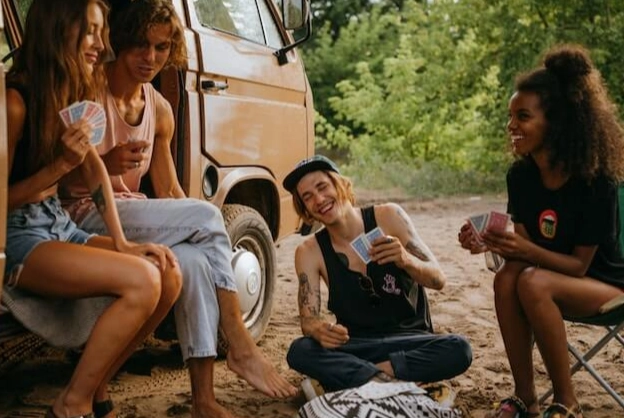
- Deck of Cards: The ultimate versatile tool. From Go Fish to Poker to building card houses.
- Small Notebook & Pencils: For drawing, journaling, keeping score, making scavenger hunt lists.
- Headlamp (with red light mode): Crucial for night games and reading without killing your night vision or attracting bugs like a white light does.
- Multi-tool or Small Knife: For whittling, crafting, fixing things.
- Ball of Twine or Paracord: For building shelters, making traps (for fun, not animals!), tying things, creating a makeshift slackline.
- Small Bag of Lego or Building Blocks: Sounds silly, but it's universal. Kids build forts, adults build abstract sculptures. It's a quiet, creative anchor activity.
The "As Needed" Add-ons:
- Frisbee or Aerobie: More than a game, it's a way to casually interact. A beat-up frisbee is camping gold.
- Field Guides: For birds, stars, plants. Turning identification into a game is deeply satisfying. I recommend the Sibley bird guides and a good regional plant book.
- Travel Games: Magnetic chess/checkers, Bananagrams, Pass the Pigs. Compact and durable.
- Watercolors & Paper: For the artistically inclined. Painting a landscape you're sitting in is an immersive experience.
Advanced Tips: Elevating Your Camping Entertainment Experience
This is where you move from fun to unforgettable.
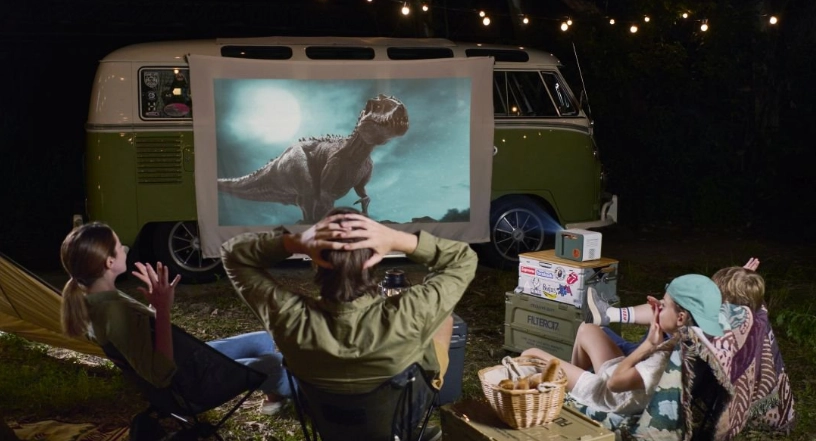
Embrace the Digital Detox (Strategically): The goal isn't to ban screens, but to make them irrelevant. However, use them as powerful tools. A smartphone with the SkyView app can identify constellations, turning the night sky into an interactive planetarium. Use a phone to play ambient sounds (crickets, rain) to help kids sleep in a new environment. The key is intentional, limited use.
Theme Your Trip: A "Pirate Weekend" where you make treasure maps, hunt for "buried" candy, and talk in silly accents. A "Survival Skills Weekend" focused on fire-building contests, shelter building, and foraging (with expert guidance—never eat anything you're not 100% sure about). Themes give a narrative arc to the fun.
Skill Sharing: Is someone in your group a knot expert? A fire-building whiz? A star-naming savant? Make them the "guide" for a 20-minute workshop. It gives them a role and teaches everyone something valuable. The American Red Cross has great basic resources on campfire safety and first aid—topics worth a quick group session.
The Power of Nothing: Schedule time where the only entertainment is the environment. Lie on a tarp and watch clouds. Sit by the water and just listen. This isn't boredom; it's the advanced course in camping entertainment. It's where you notice the woodpecker, the shape of the clouds, the way the light filters through the trees. This is the core memory you're actually there to make.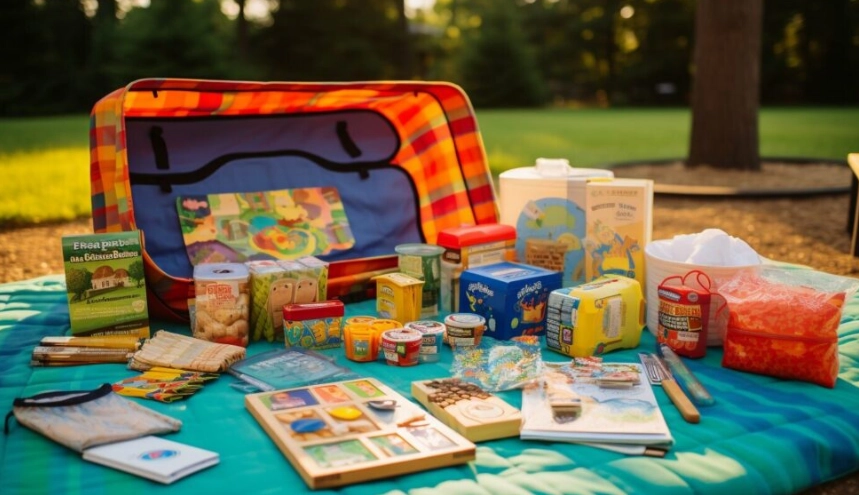
Camping Entertainment FAQs: Your Questions Answered
 The best camping entertainment isn't about the stuff you bring; it's about the mindset you pack. It's about being present, curious, and willing to be a little silly. It's about turning a stretch of free time in the woods into shared stories you'll talk about long after the campfire ashes have cooled. So pack your toolkit, ask a few questions, and then get out there. The fun is waiting, right where you left it, under that big open sky.