What You’ll Learn in This Guide
Primitive camping isn’t just camping without a bathroom. It’s about stripping away the comforts and connecting directly with nature in remote, undeveloped areas. I got hooked after a trip to the Boundary Waters in Minnesota—no cell service, just the sound of loons and my own thoughts. But let’s be real: if you don’t prepare, it can go from adventure to ordeal fast. This guide walks you through everything, from picking a spot to packing out your trash, based on my own hits and misses over the years.
What is Primitive Camping and Why Try It?
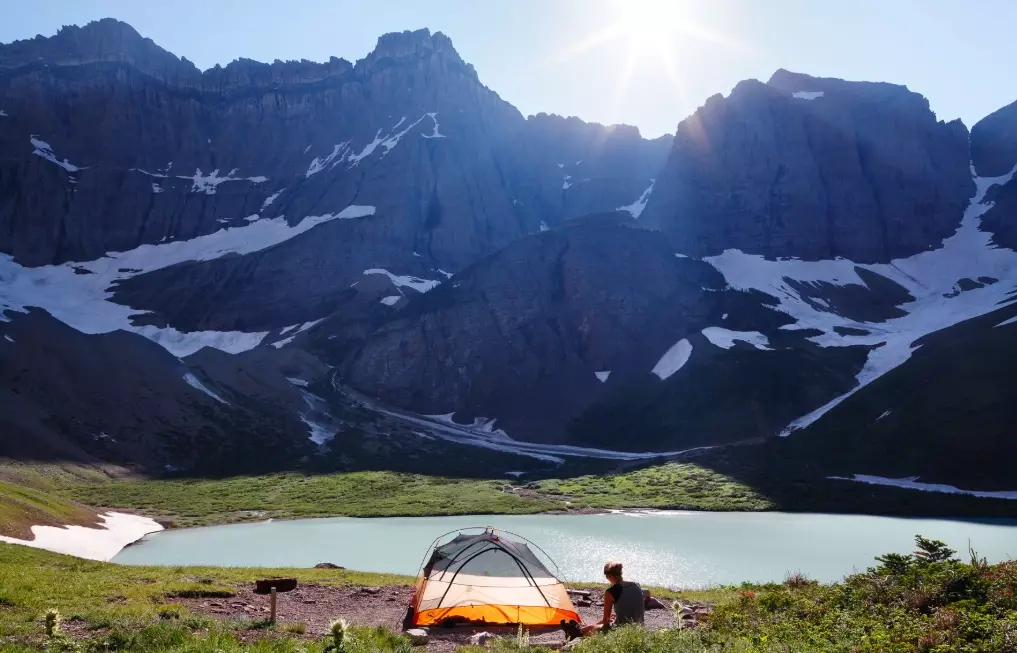
Primitive camping, also called backcountry or dispersed camping, means setting up camp away from designated sites, often without amenities like picnic tables, fire rings, or running water. You’re on your own for everything. Why bother? For me, it’s the solitude. In developed campgrounds, you might hear generators or neighbors; out here, it’s just you and the wilderness.
But it’s not for everyone. If you need a flat, grassy spot for your giant tent, stick to car camping. Primitive camping requires flexibility—you might camp on uneven ground, deal with weather shifts, or navigate without trails. The reward? Stars so bright they feel close enough to touch, and a sense of accomplishment that’s hard to match.
I’ve met people who think it’s all about survivalist skills, but that’s a myth. With the right approach, even beginners can enjoy it. Start small, maybe a one-nighter in a nearby national forest, and build from there.
How to Find the Perfect Primitive Camping Spot
Finding a good spot is half the battle. You can’t just pull over anywhere. Public lands are your best bet—think national forests, Bureau of Land Management (BLM) areas, or some state parks. The U.S. Forest Service website is a goldmine for maps and regulations, though I always call the local ranger station for current info. Rules vary: some areas allow camping anywhere 100 feet from trails, others require permits.
Here’s what I look for:
- Water source: A stream or lake within a half-mile, but camp at least 200 feet away to protect the water and avoid bugs.
- Flat ground: Not perfectly flat, but enough to sleep without rolling downhill. I’ve woken up slid against a tree—not fun.
- Natural shelter: Trees or rock formations that block wind, but avoid dead branches overhead (widowmakers).
- Low impact: Use existing clearings to avoid damaging vegetation. In popular spots like Colorado’s San Juan Mountains, I’ve seen campsites eroded from overuse.
Apps like Gaia GPS or OnX Backcountry help, but don’t rely solely on tech. I once had my phone die and had to navigate with a paper map—thankfully, I’d packed one. Always carry a physical map and compass.
Top U.S. Regions for Primitive Camping
Based on my travels, these areas offer great access and scenery:
- Pacific Northwest: Olympic National Forest in Washington—lush forests, few crowds. No permit needed for most dispersed camping, but check for fire bans.
- Southwest: BLM land near Moab, Utah—red rock vistas, but summer heat is brutal. Go spring or fall.
- Appalachians: George Washington National Forest in Virginia—rolling hills, easy access from the East Coast. Some spots require a free permit.
Each has its quirks. In the Southwest, water is scarce, so you’ll need to carry more. In the Pacific Northwest, rain is common—a good tarp is non-negotiable.
Essential Gear for Primitive Camping: Beyond the Basics
Forget the fancy gadgets; primitive camping gear is about reliability and weight. I’ve seen people bring portable showers and folding chairs, only to ditch them miles in. Here’s my pared-down list, honed from trial and error.
Pro tip: Test everything at home first. That new stove? Make sure it lights in wind. The sleeping bag? Check its temperature rating in your backyard. I learned this after a freezing night in Wyoming with a bag that claimed to be 20°F but felt more like 40°F.
| Item | Why It’s Essential | My Personal Pick |
|---|---|---|
| Backpack | Carries all gear; aim for 50-70 liters for multi-day trips. | Osprey Atmos 65—comfortable even with 30 lbs. |
| Shelter | Lightweight tent or tarp; consider a bivy sack for solo trips. | Big Agnes Copper Spur HV UL2—balances weight and space. |
| Sleep System | Sleeping bag and pad; insulation is critical for cold ground. | Therm-a-Rest NeoAir XTherm pad + Western Mountaineering bag. |
| Water Filtration | No clean water sources; filters prevent giardia. | Sawyer Squeeze—light, reliable, and cheap to replace. |
| Navigation | GPS fails; map and compass are backups. | Suunto compass + USGS topographic maps. |
| First Aid Kit | Injuries happen far from help; include blister care. | Adventure Medical Kits Ultralight .5. |
Notice I didn’t list a camp chair? I use my sleeping pad or a log. Every ounce counts when you’re hiking miles to camp. And about food: go for dehydrated meals, but pack extra snacks. Hunger hits hard out there.
One item most overlook: a repair kit. Duct tape, needle and thread, and a multi-tool have saved my gear more than once. I patched a torn tent fly in a rainstorm using tape—it held for two more nights.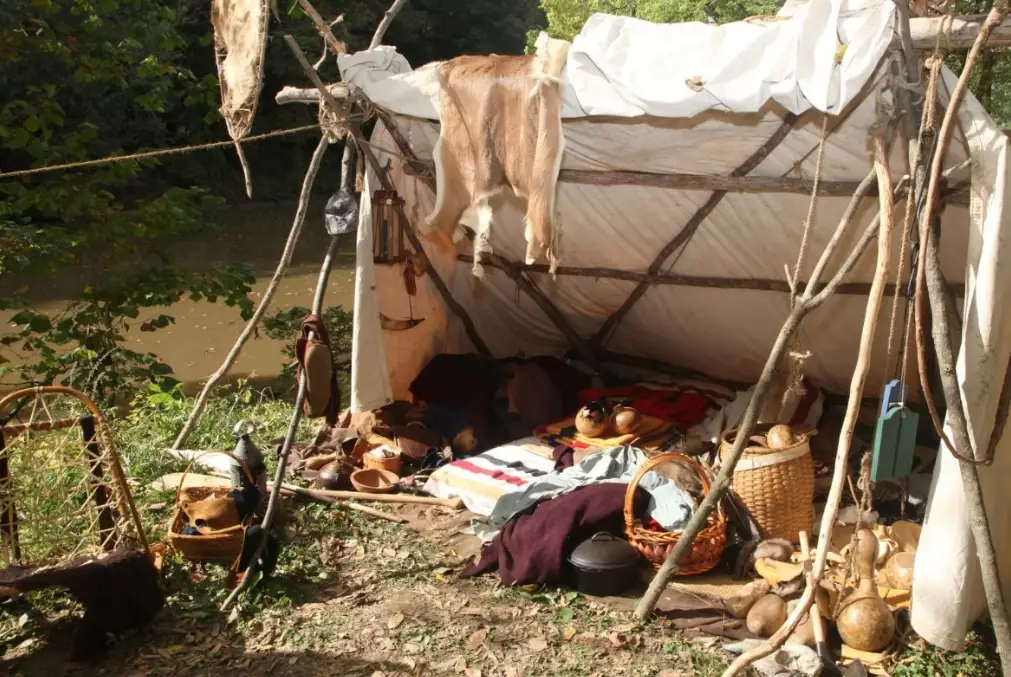
A Step-by-Step Guide to Your First Primitive Camping Trip
Let’s walk through a hypothetical weekend trip in a national forest. Assume you’ve picked a spot, checked regulations, and packed gear. Here’s how it might unfold.
Day 1: Arrival and Setup
You park at a trailhead around noon. The hike in is 3 miles with moderate elevation. Weather’s clear, but clouds are building—always check forecasts, but trust your eyes more. I’ve been caught in sudden storms in the Rockies despite a “sunny” forecast.
Find a campsite near a stream but 200 feet away. Look for flat ground without visible animal tracks. Set up shelter first; if rain hits, you’ll thank yourself. Then gather water using your filter—I prefer the Sawyer Squeeze because it’s fast. Purify enough for cooking and drinking, plus extra.
Cook dinner before dark. A simple stove like the Jetboil works, but I often go no-cook with bars and nuts to save fuel. Store food in a bear canister or hang it properly. In Yosemite’s backcountry, I once saw a bear get into a poorly hung bag—it ruined the trip for that group.
Day 2: Exploration and Departure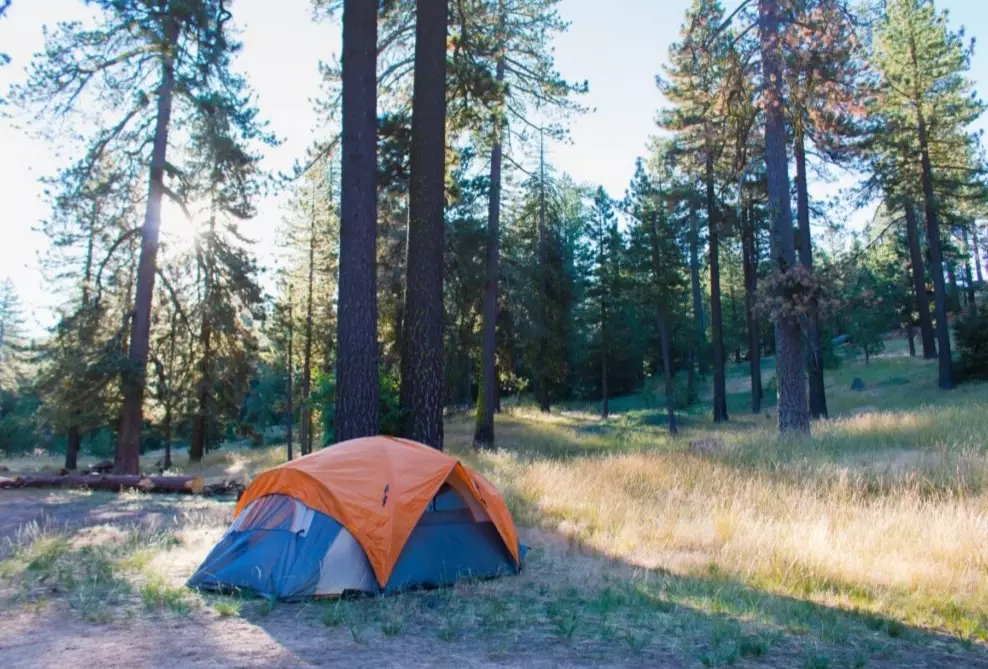
Wake up early—wildlife is active at dawn. I’ve spotted elk and deer just by being quiet. Pack up carefully: leave no trace means everything you brought goes out. Inspect the site for micro-trash like wrappers or twist ties.
Hike out, but take breaks to enjoy the view. That’s the point, right? Back at the car, I usually feel a mix of exhaustion and exhilaration. Document any issues for next time—maybe your boots rubbed, or you wished for more snacks.
Common Mistakes and How to Avoid Them
Even experienced campers slip up. Here are pitfalls I’ve seen or done myself.
- Overestimating distance: Planning a 10-mile hike with a heavy pack? Try 5 miles first. Fatigue leads to poor decisions. I once pushed too far and set up camp in the dark, nearly tripping over a rock.
- Ignoring weather windows: Mountains create their own weather. In the Sierra Nevada, afternoon thunderstorms are common. Start hikes early to avoid them.
- Skimping on water capacity: Carry at least 2 liters, plus a way to purify more. I ran low in Arizona’s desert and had to ration—not a good feeling.
- Forgetting permits: Many backcountry areas require them, like in Great Smoky Mountains National Park. Fines can be steep, and rangers do check.
The biggest one? Not practicing skills beforehand. Can you start a fire in damp conditions? Do you know how to read a topographic map? I recommend a backyard dry run—set up your tent, use your stove, filter water from a hose. It sounds silly, but it builds confidence.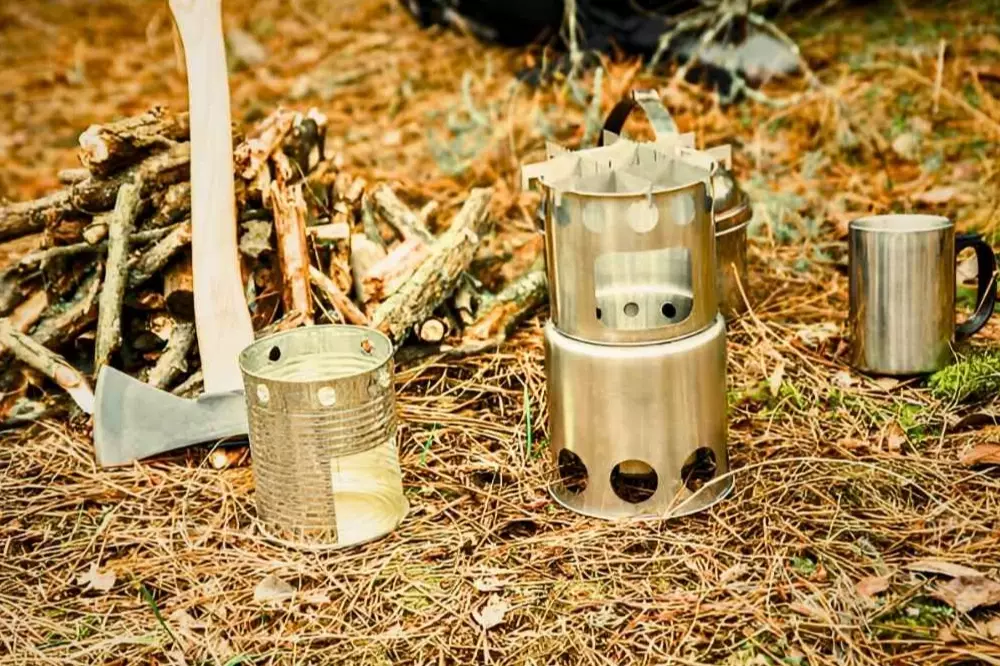
FAQ: Answering Your Primitive Camping Questions
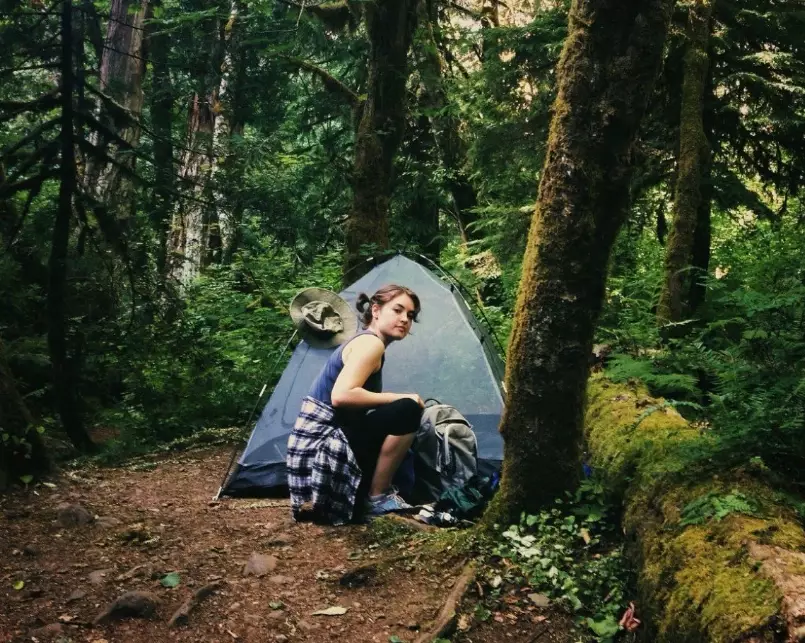 Primitive camping isn’t about conquering nature—it’s about adapting to it. Start small, learn from each trip, and soon you’ll crave that quiet under the stars. Got more questions? Drop a comment below, and I’ll share from my experience. Happy trails!